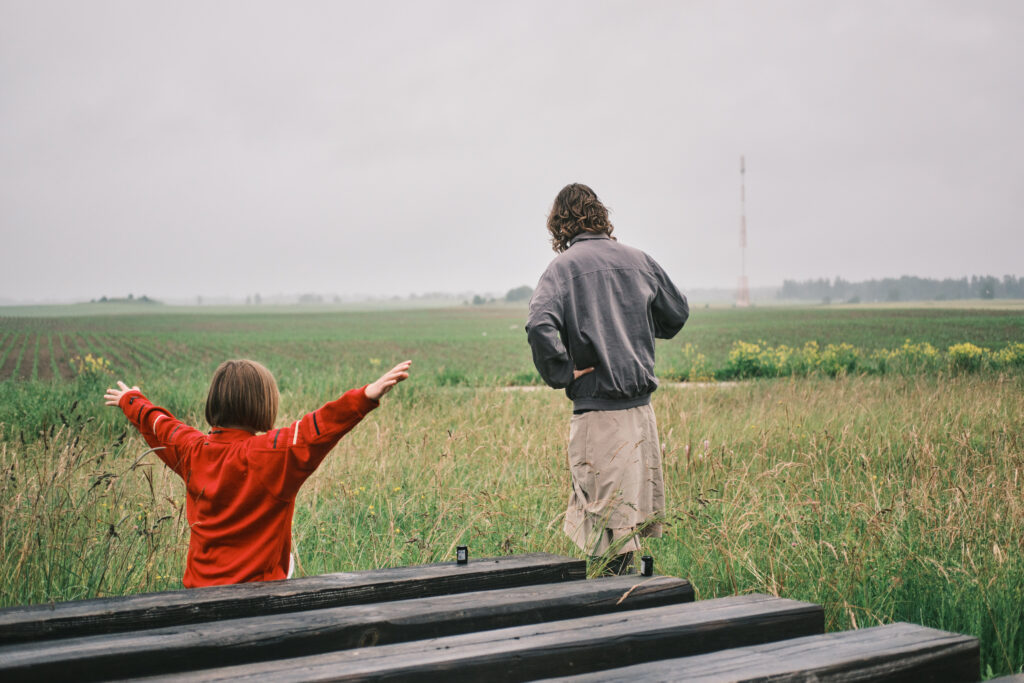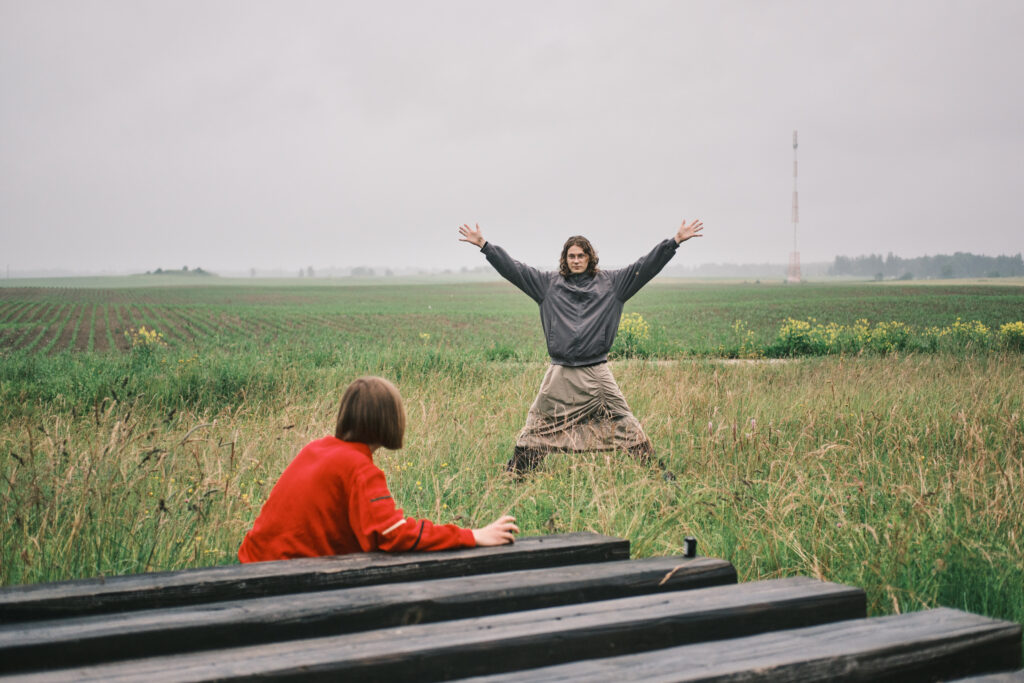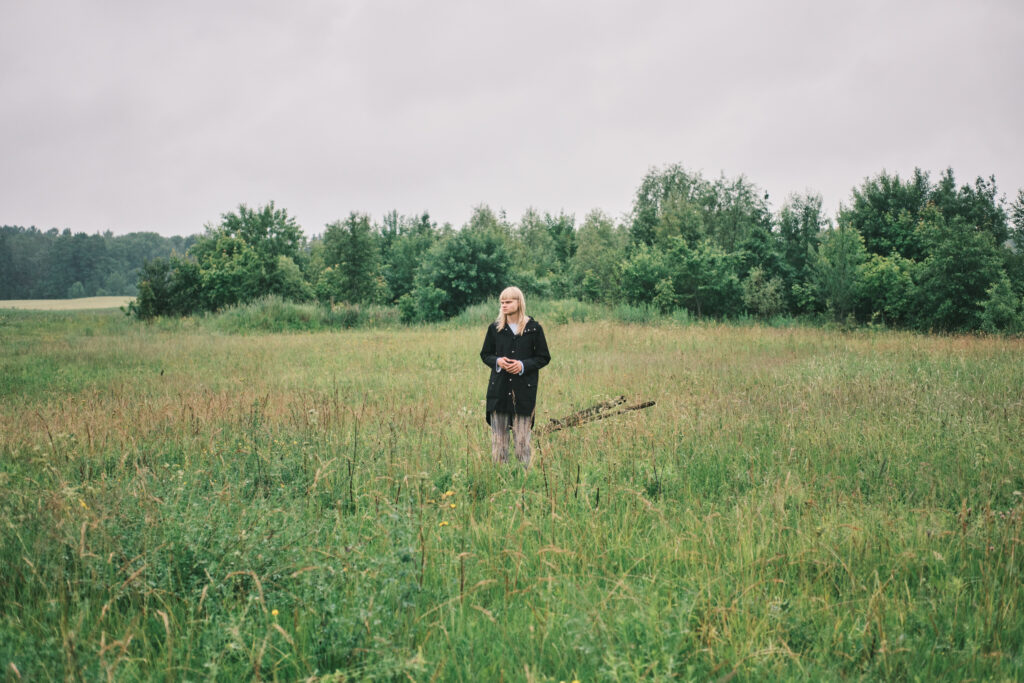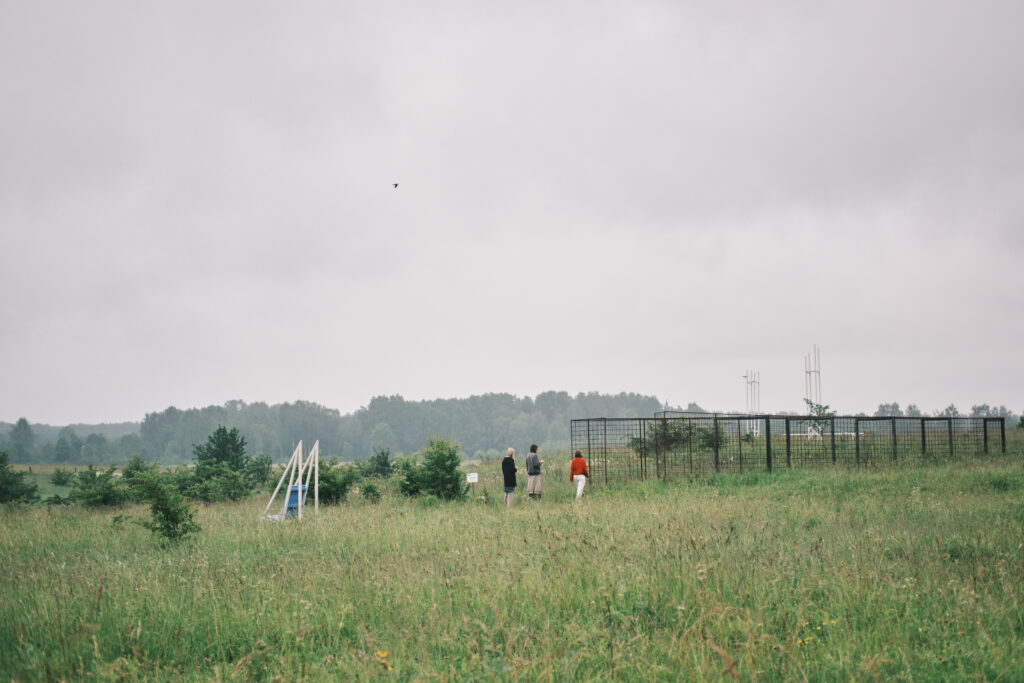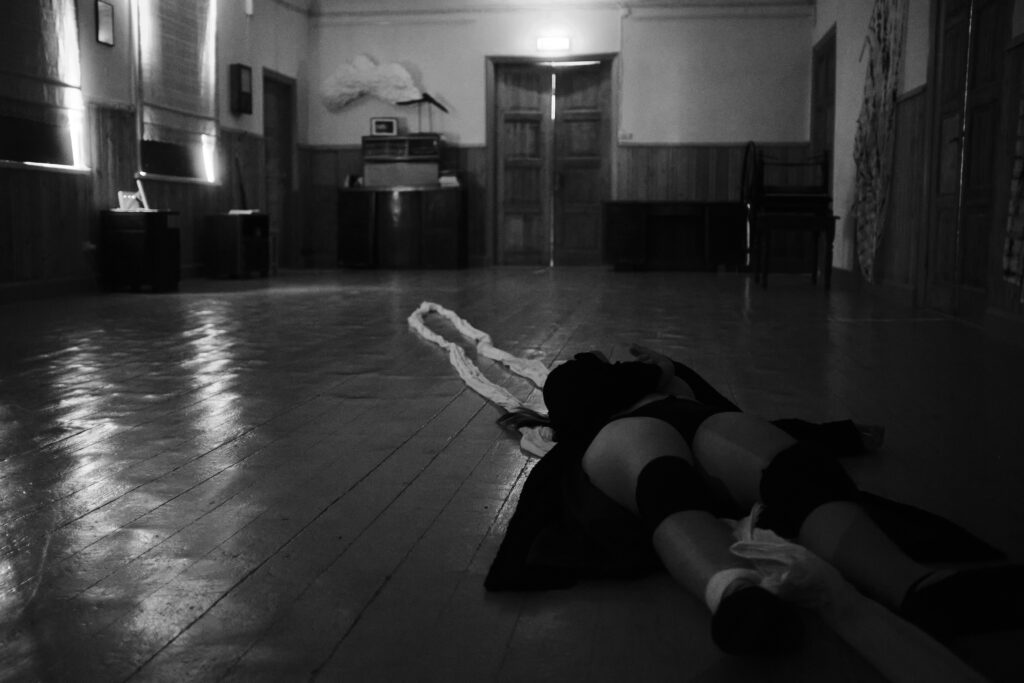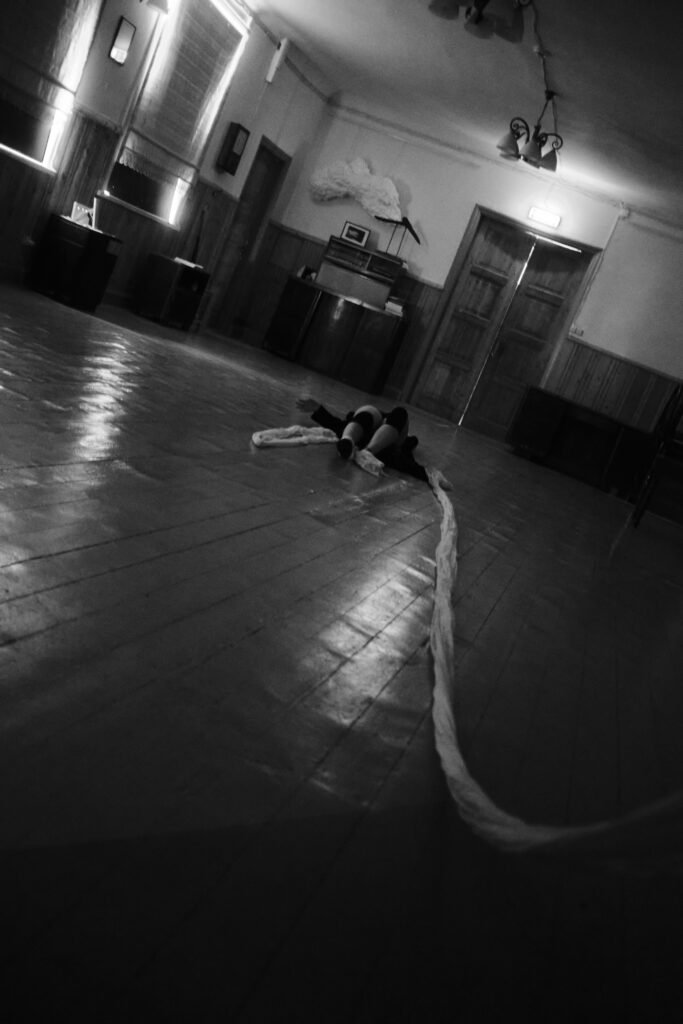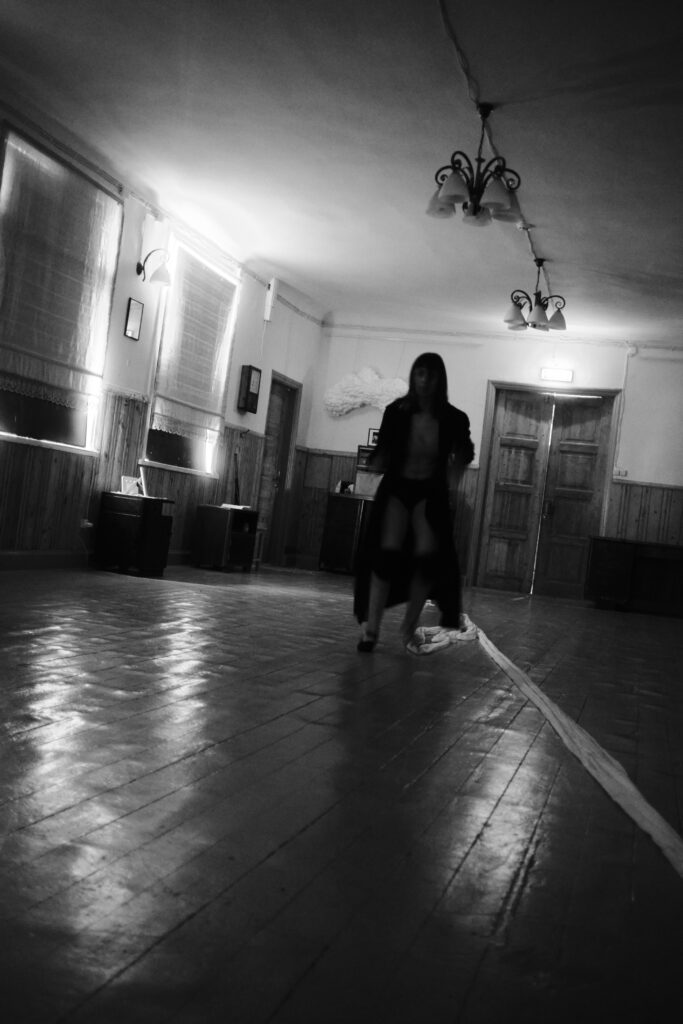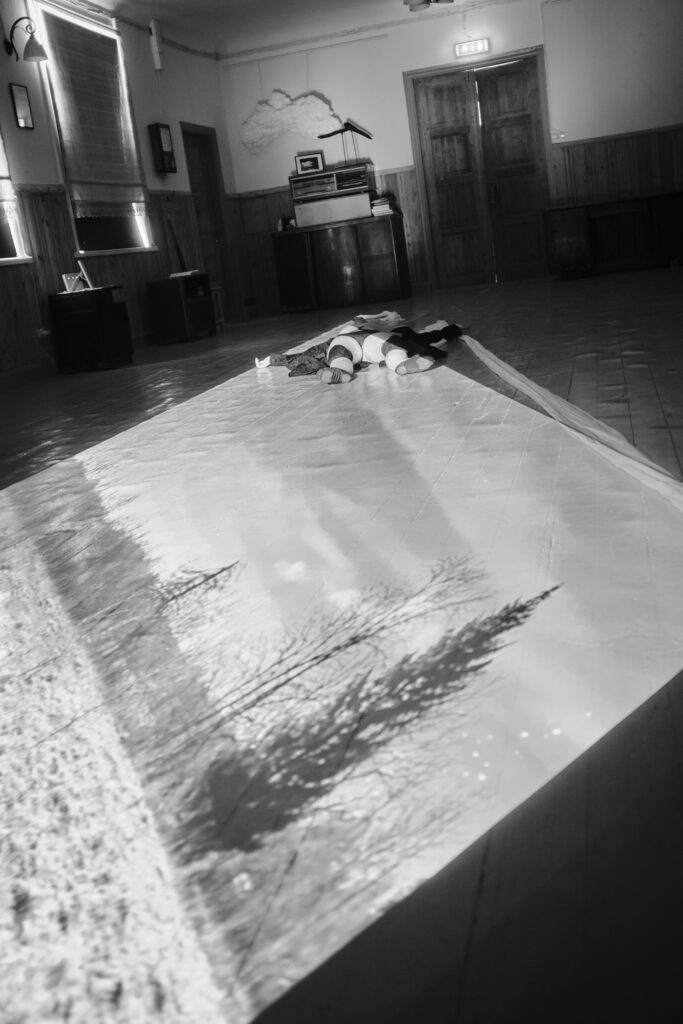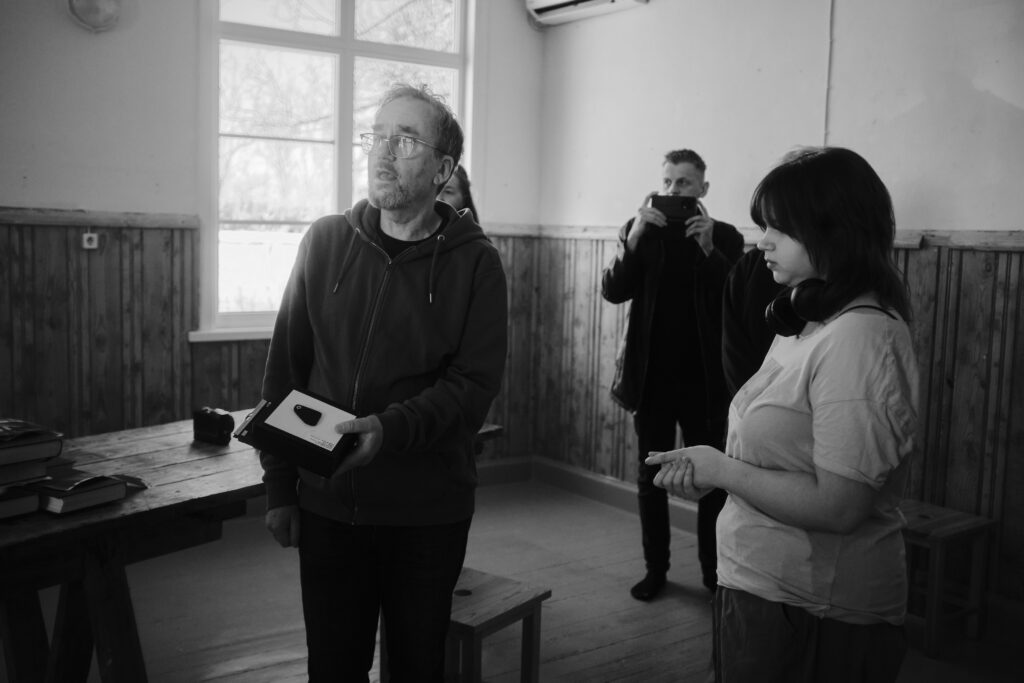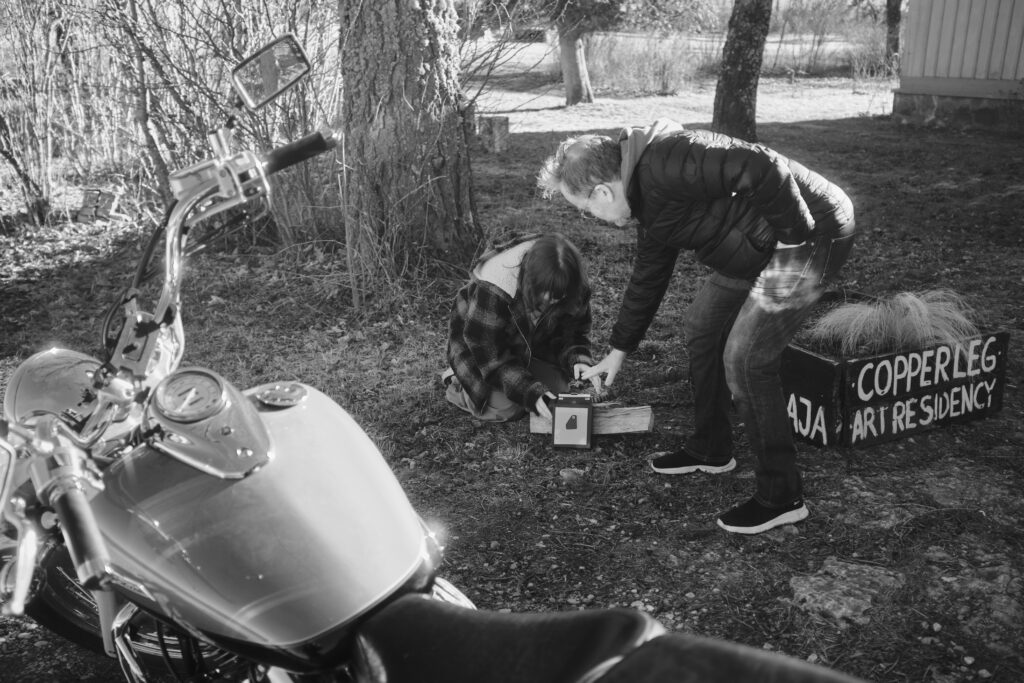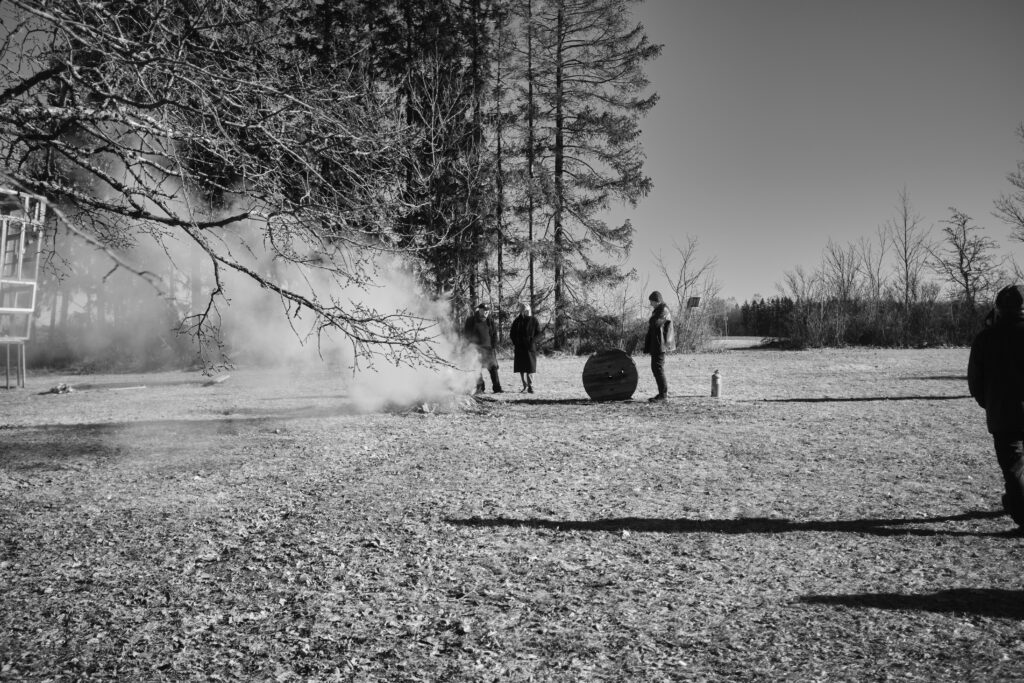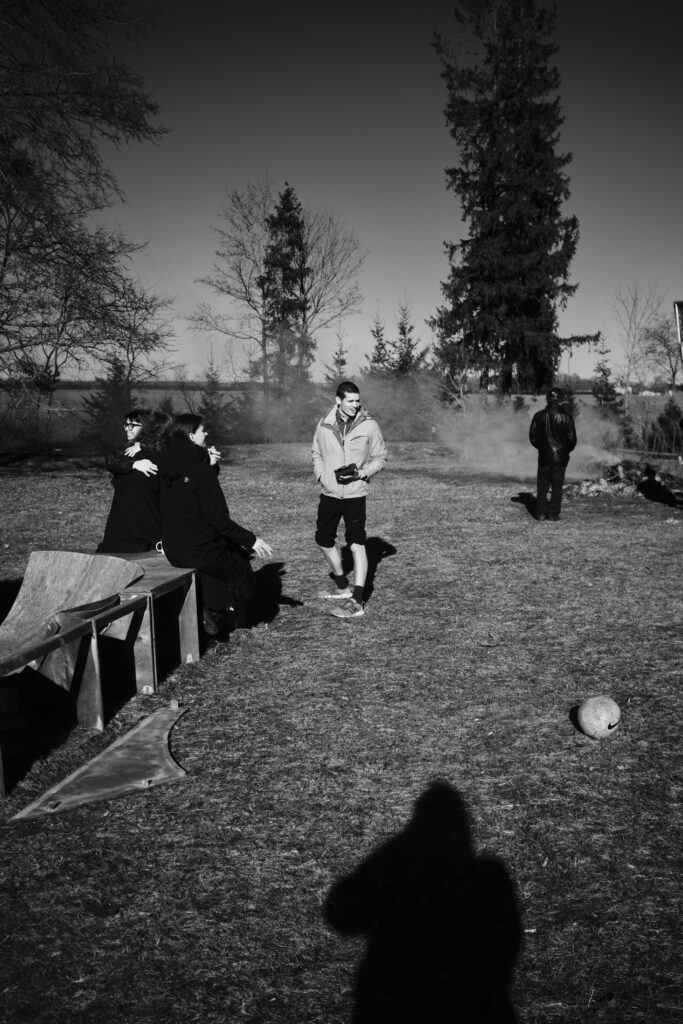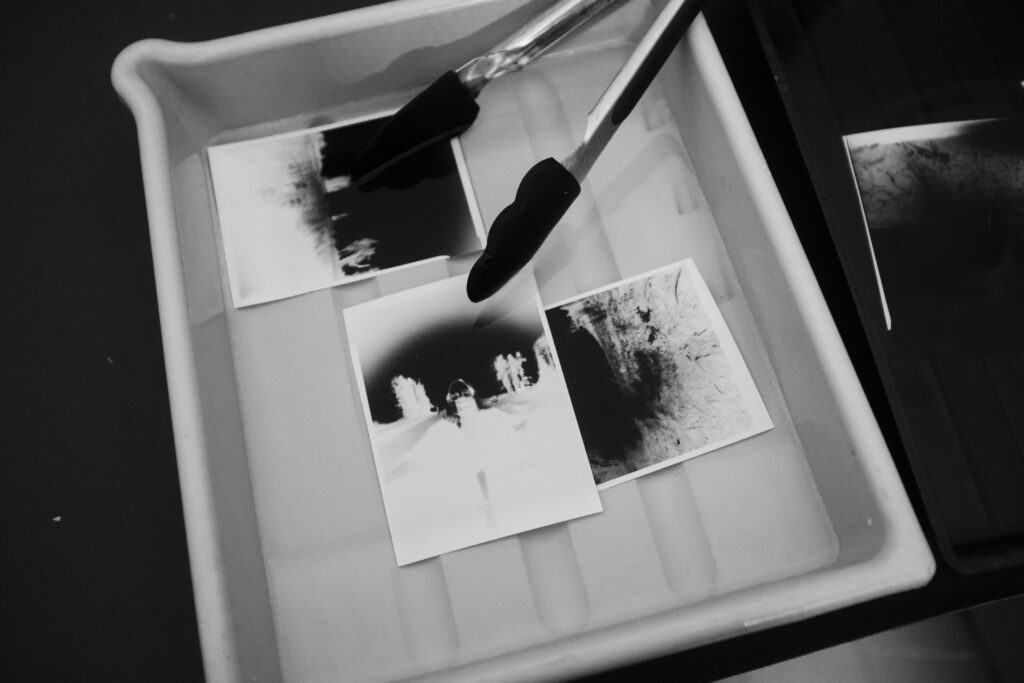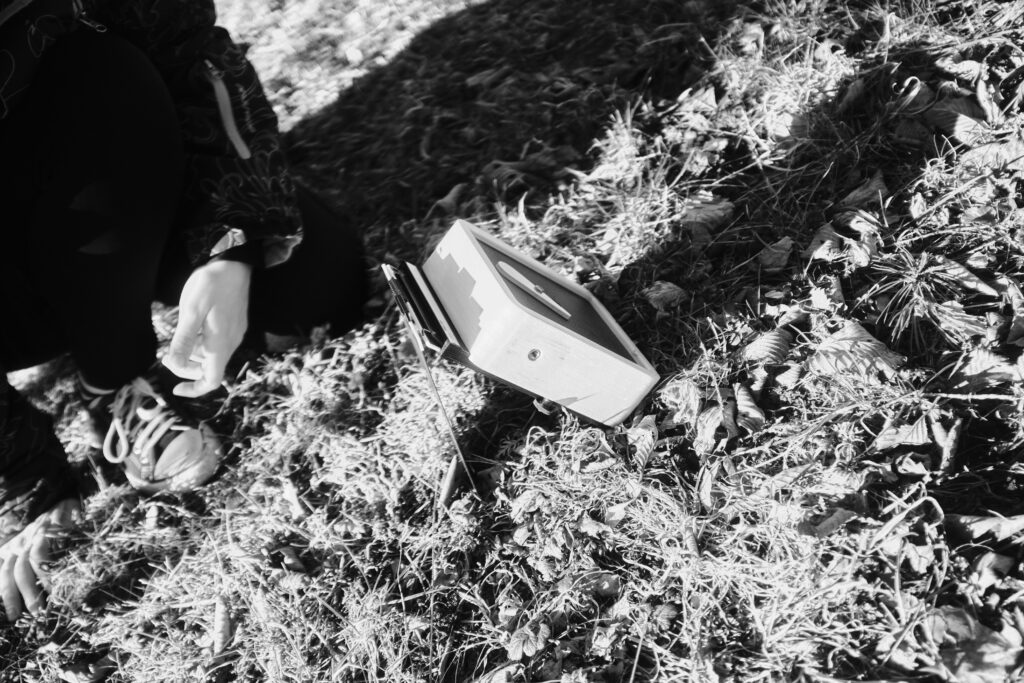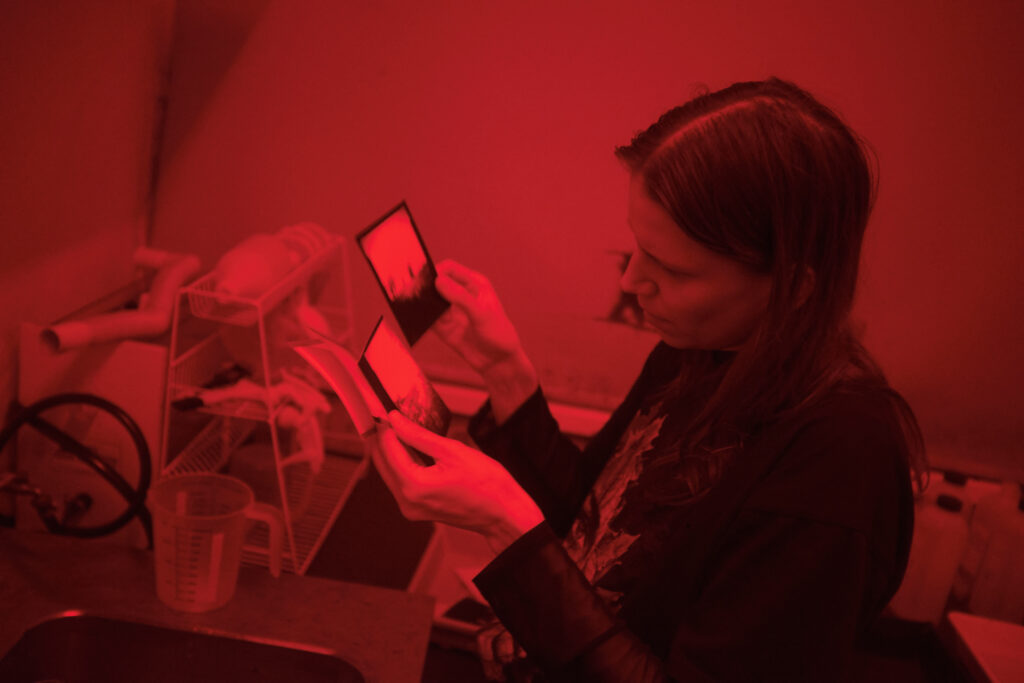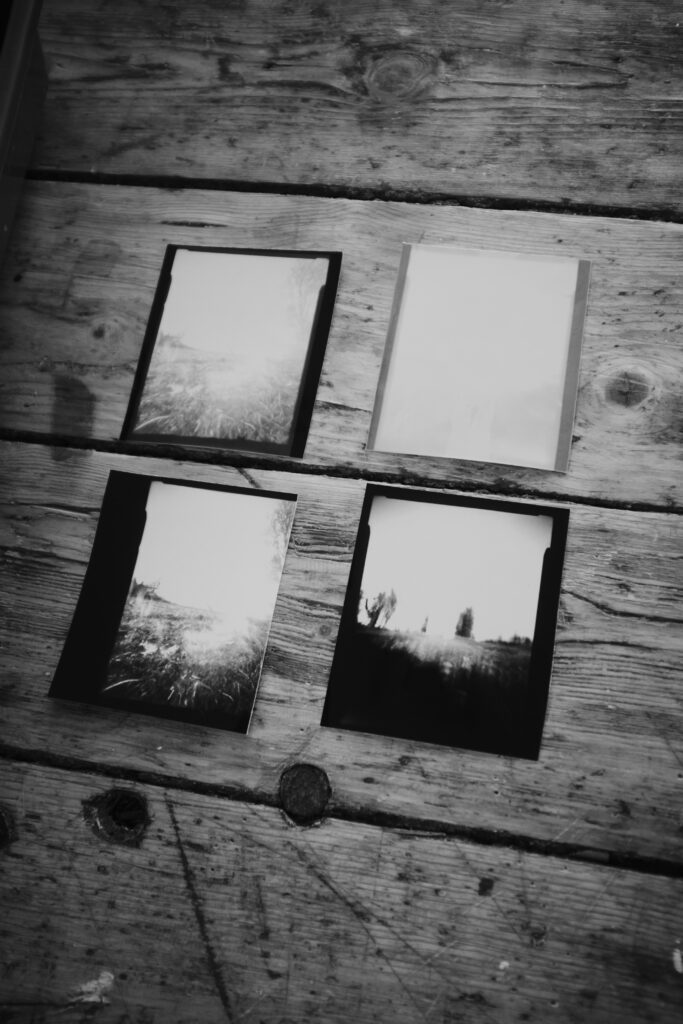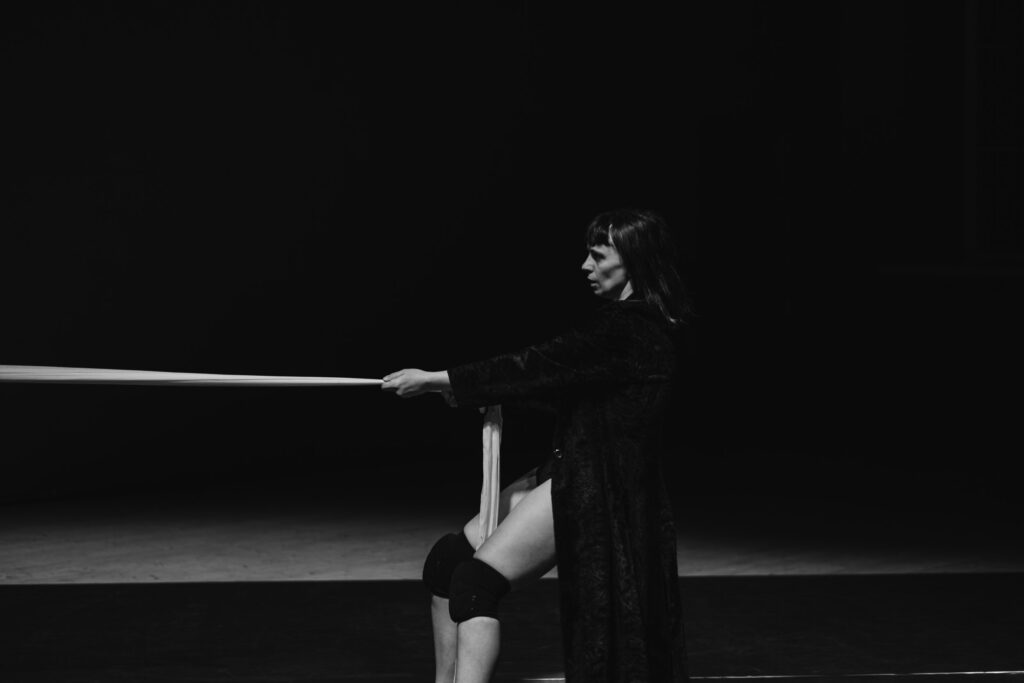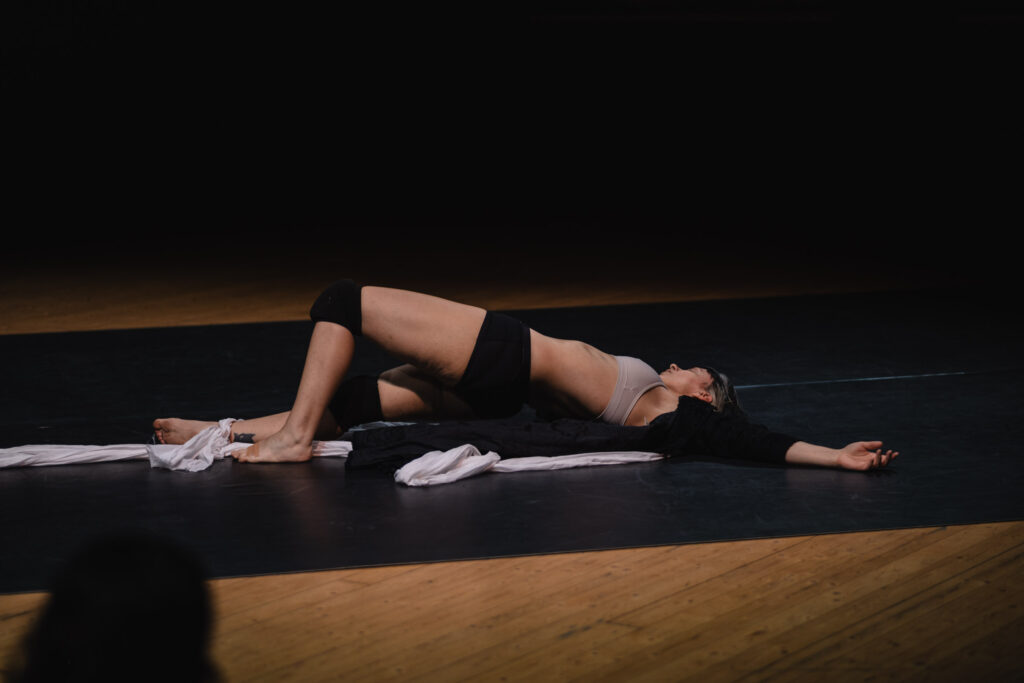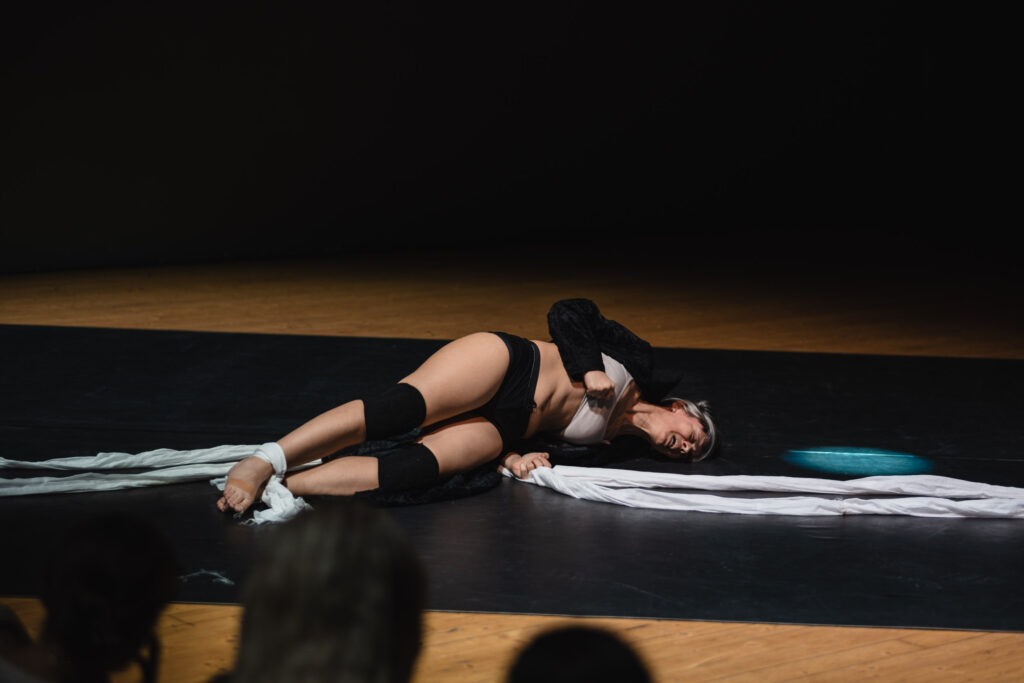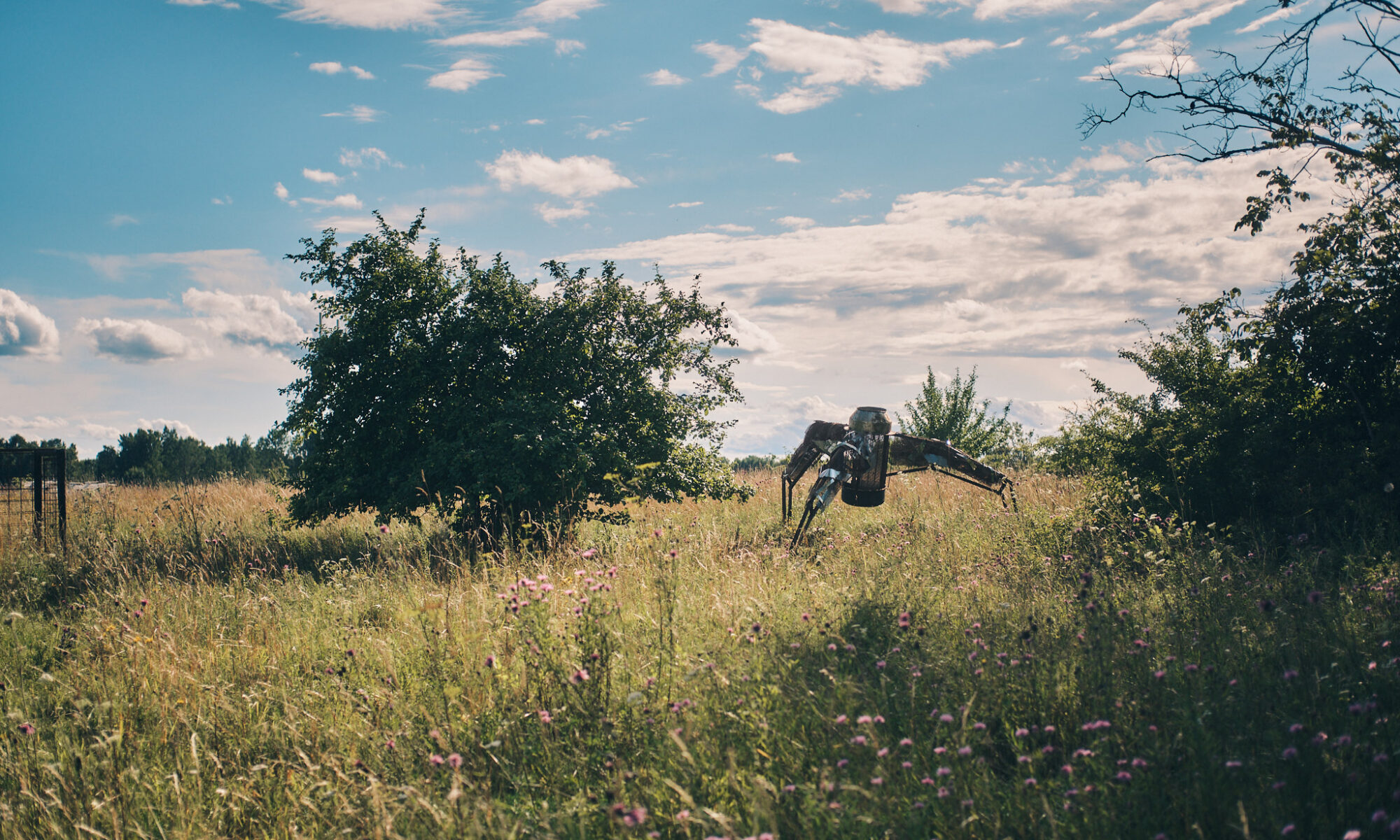

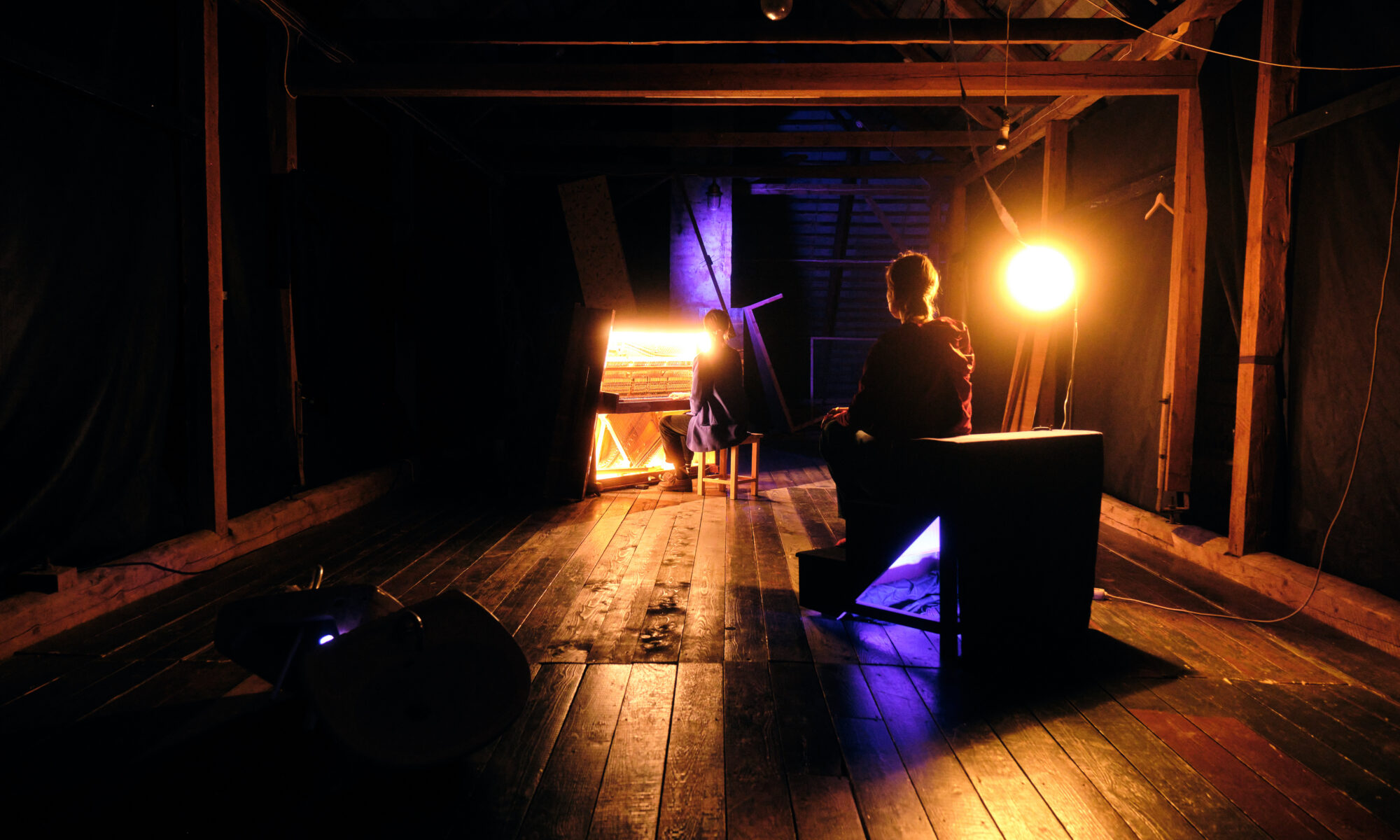
Septembrikuus toimus Vaskjala Loomeresidentuuris tegevuslavastus “Keha, milles olla”. Autoriks on Seren Oroszvary. Järgnev on arvustus mille kirjutas Ilo Tuule Rajand.
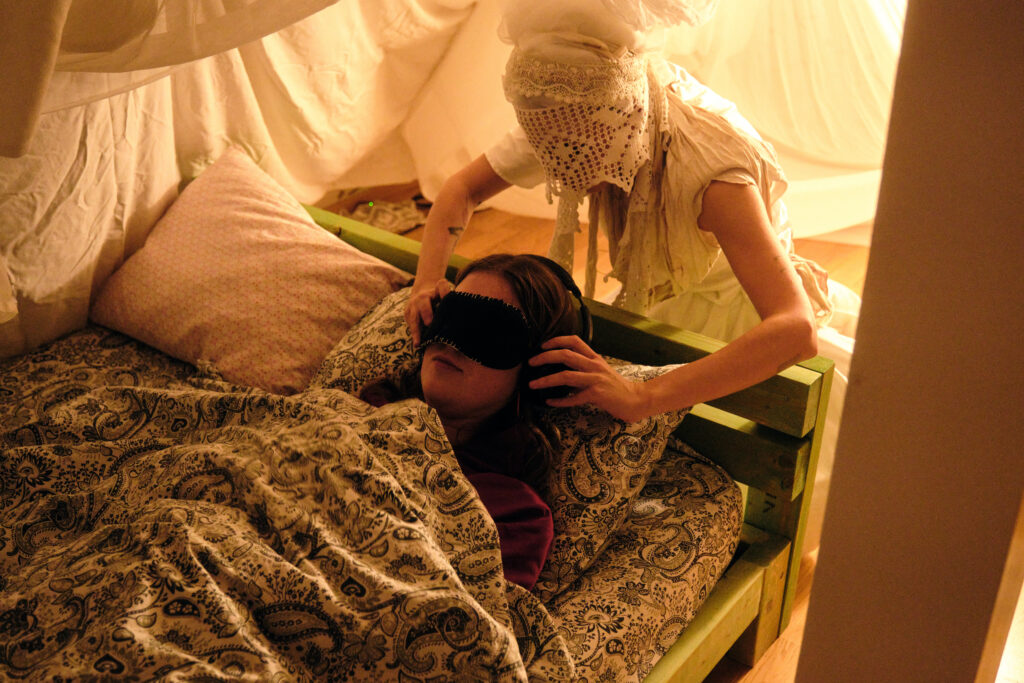
Viis tundi kestev lavastus salajases asukohas. Kuigi publik asub teekonnale koos, tuleb see ise läbida üksi.
Teel salajasse asukohta mõistan, et osa sedalaadi teekonnapõhiste lavastuste võlust peitub põnevuses asuda lapsepõlveunistuste seiklusele, mida mõnikord varjutab piinlik mure: „Mis siis, kui ma ei saa päris hästi aru, mis toimub?“
Austraalia tegevuskunstniku Seren Oroszvary lavastus „A Body to Dwell” käsitleb keha kui maja ja kutsub publikut avastama intiimset sümbioosi, mis selle sees tekib.
Paljud ruumid on isiklikku laadi ning põhiline on üllatus, mis ukse taga ootab.
Lavastuse jooksul juhatatakse publik uurima maja, mille erinevad ruumid, millele annavad elu esitajad Lea Blau, Maya Libera Castellini, Samuel Skoog, Jarmo Reha, Yiyang Sun ja Fausta Noreikaitė, toovad nähtavale meie endi kihte.
Vormiliselt kujutavad ruumid tšakraid, mis annab hea raamistiku keha ettekujutamiseks seitsme toaga majana. Vaimse tasakaalu ja teekonna mõtestamiseks viitab teos ka 13. sajandi sufi müstiku Rumi luuletusele „Külalistemaja“, mis õpetab nägema emotsioone külalistena, kellele tuleb ruumi teha, sest ka neis võib peituda õppetunde, mida vajame.
Ühine algus, eraldi teekond.
Ootan etenduse algust Linnahalli all trammitee ääres. Immersiivsed teekonnalavastused viivad vaataja selgelt välja tavapärasest teatrikeskkonnast ja nõuavad kohalolu ning avatud meelt. Samas muudab see need pisut hirmutavaks, eriti kui kõik, mida tuleval etendusel teatakse, on see, et see toimub salajases asukohas ja kestab umbes viis tundi.
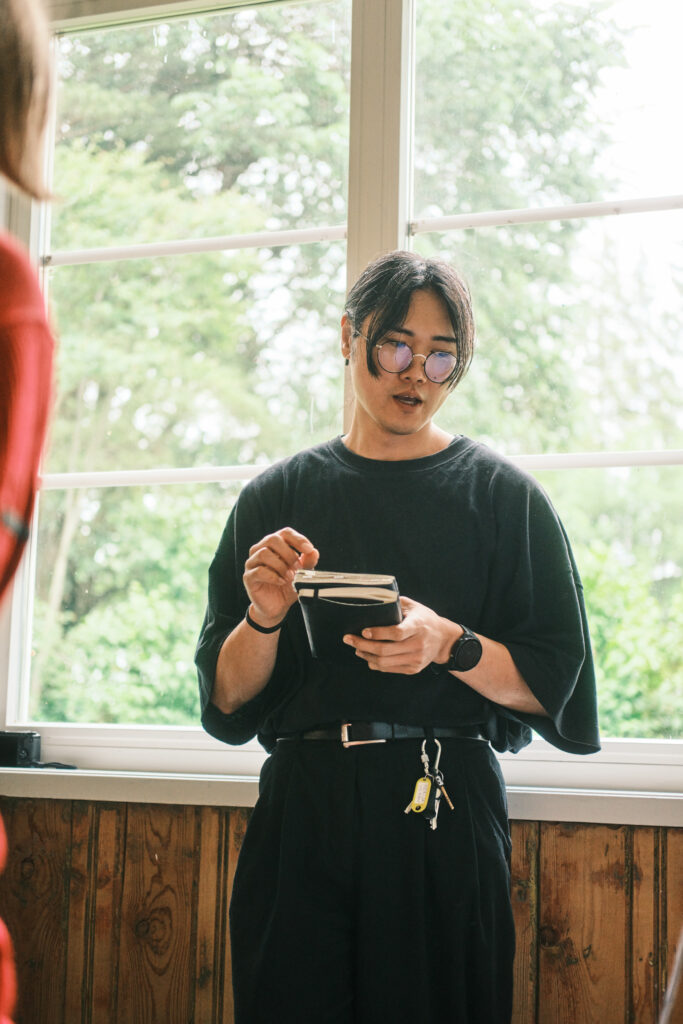
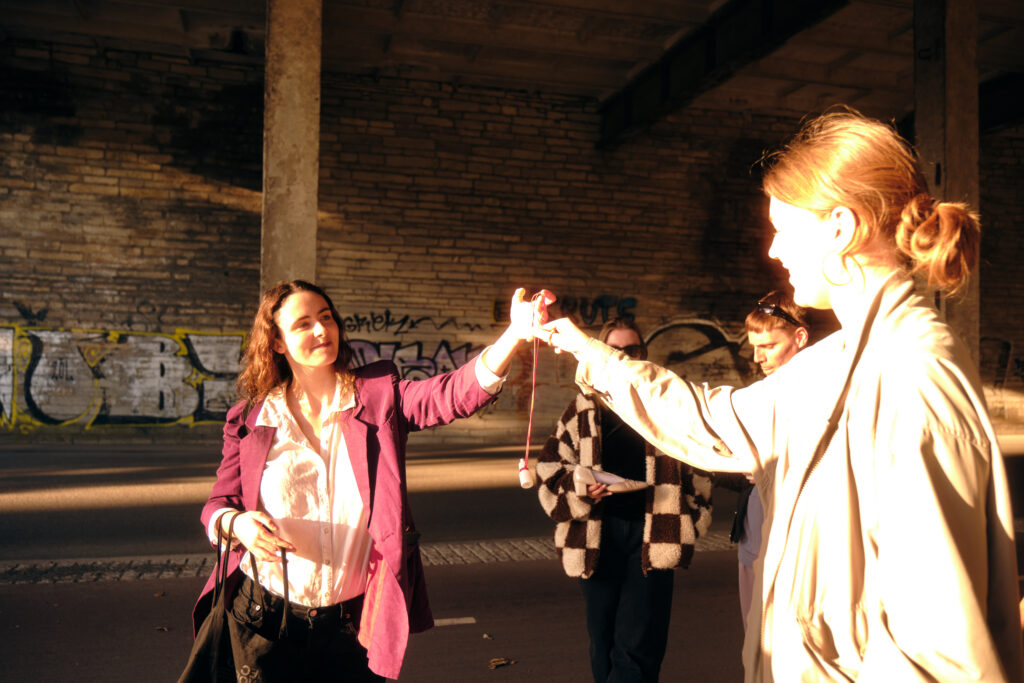
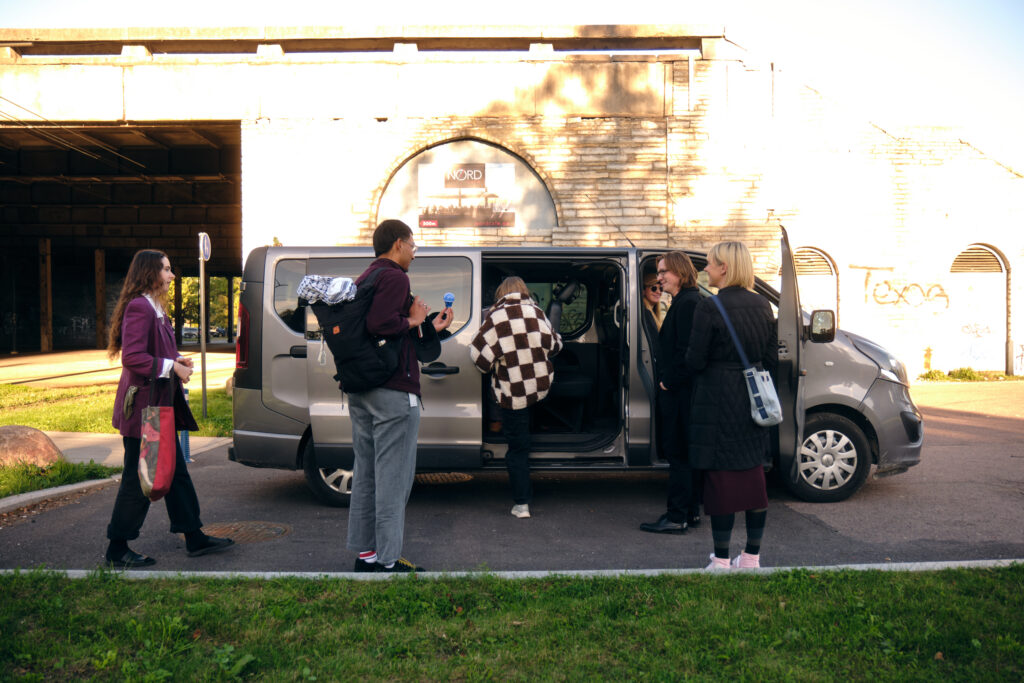
Tundmatu ees tunnetatud hirm vaibub aga siis, kui meid tervitab Seren Oroszvary. Tal on seljas lilla jakk ja ta kiirgab rahustavat kohalolu. Ta tutvustab meile kiirelt eelseisvat õhtut ja ulatab igale vaatajale kindla eseme. Iga ese tähistab värvi ja seeläbi ka tšakrat, nii et meid jagatakse värvide järgi rühmadesse nagu Power Rangersid. Kaugusest märkame Jarmo Rehat. Lisaks musta „Hermese“ kaubiku juhi rollile on ta rahustav teejuht, kelle hääl juhatab meid läbi maja ja ootavate ülesannete juurde. Väikebuss võtab publiku peale Linnahalli lähedalt ja teekond salajasse asukohta algab.
Sõidu ajal mõtlen korduvalt, milline ruum võiks vastata maole. Loogiliselt tundub ilmselge vastus olevat köök, kuid meile on antud ka kaardid mitme toaga maja põrandaplaaniga. See annab mulle aega analüüsida sümboolseid seoseid kehaosade ja ruumide vahel, samal ajal kui teekonda saadavad kõrvaklappidest kostuv audiodraama ja helimaastikud. Need helid näivad olevat rahustavas sümbioosis kesklinna tipptunni, poolhaagiste rongkäigu ja mööduvate kortermajadega. Tunnen, et osa nende immersiivsete teekonnalavastuste võlust peitub põnevuses asuda lapsepõlveunistuste seiklusele, mida mõnikord varjutab piinlik hirm, et ma ei pruugi päris aru saada, mis toimub.
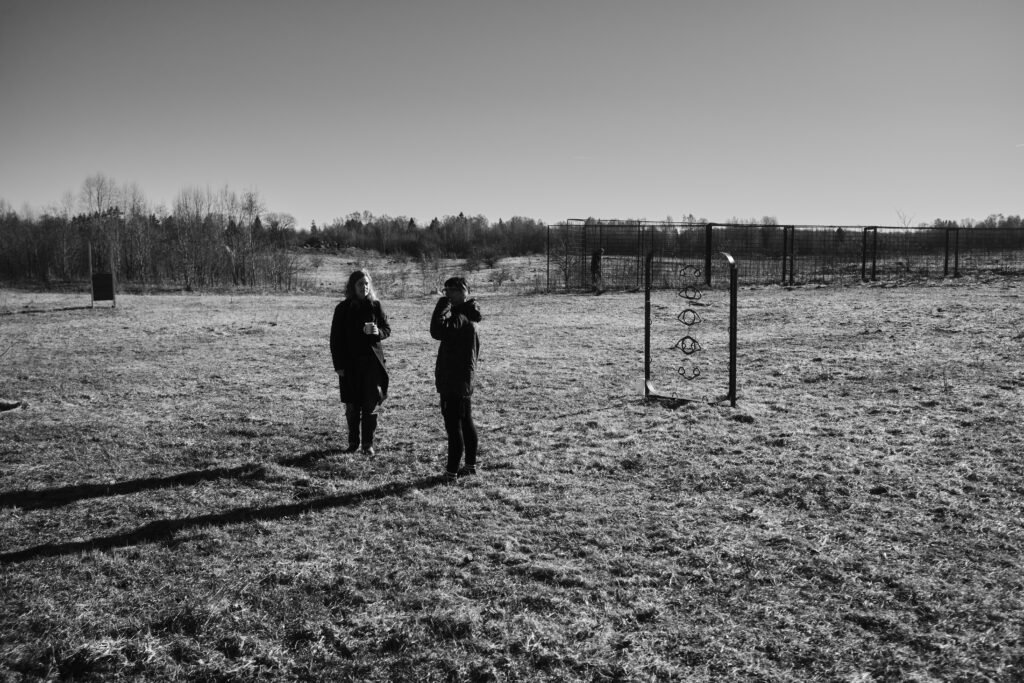
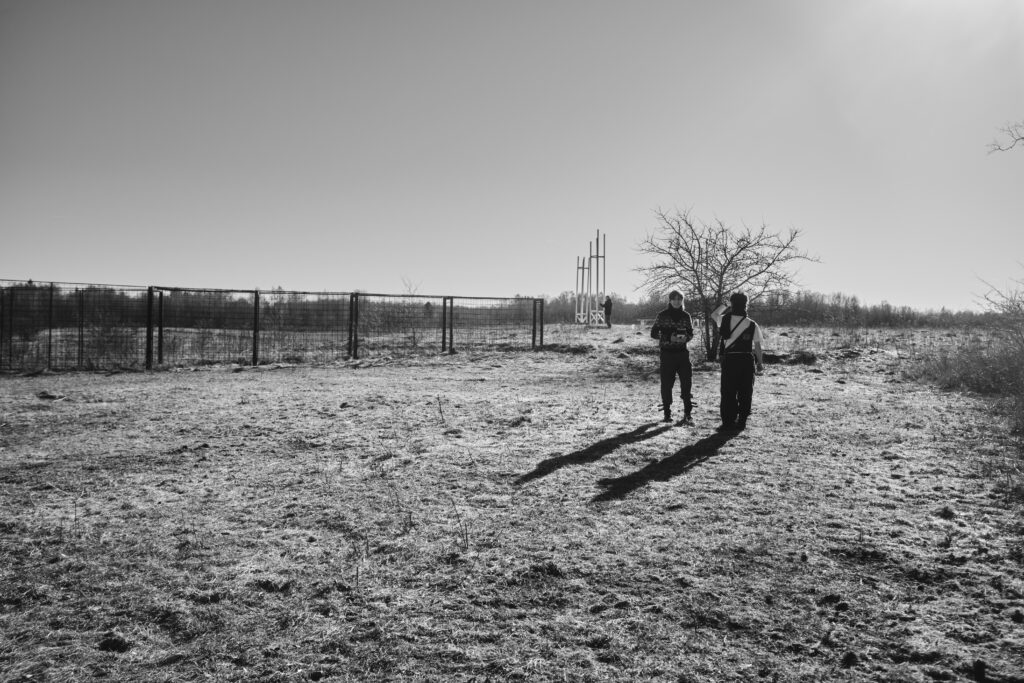
Kuigi asume teele koos, peab igaüks oma ülesande kindla eseme abil täitma üksi. Kuna mind jäetakse maha üks esimestest, ei näe ma kaasränduritel nägudelt, kuidas nad oma ülesannetega silmitsi seisavad.
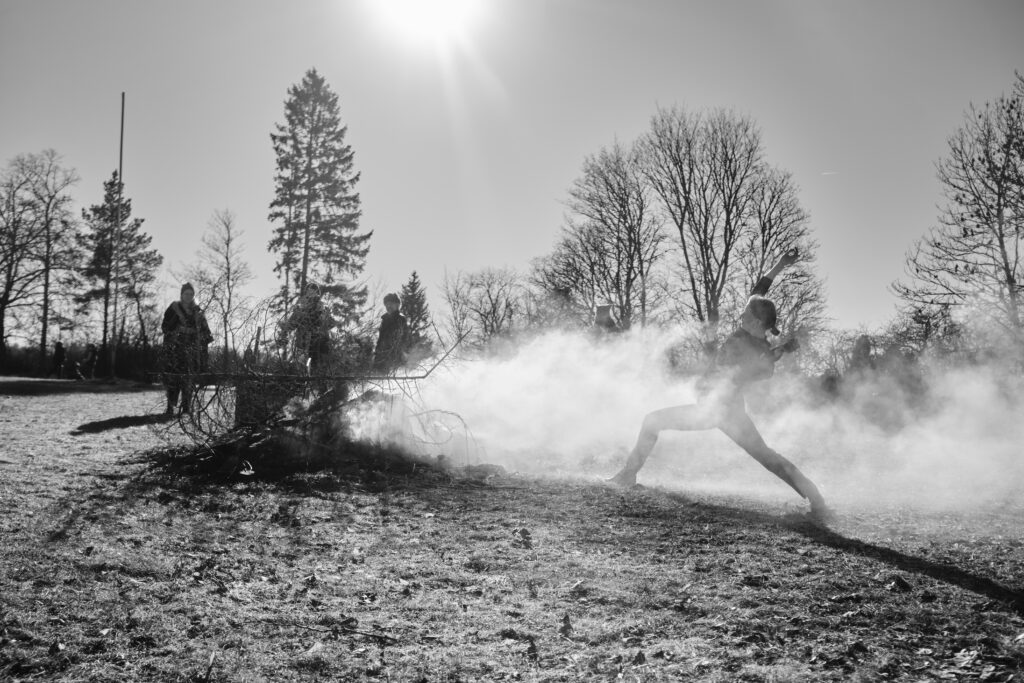
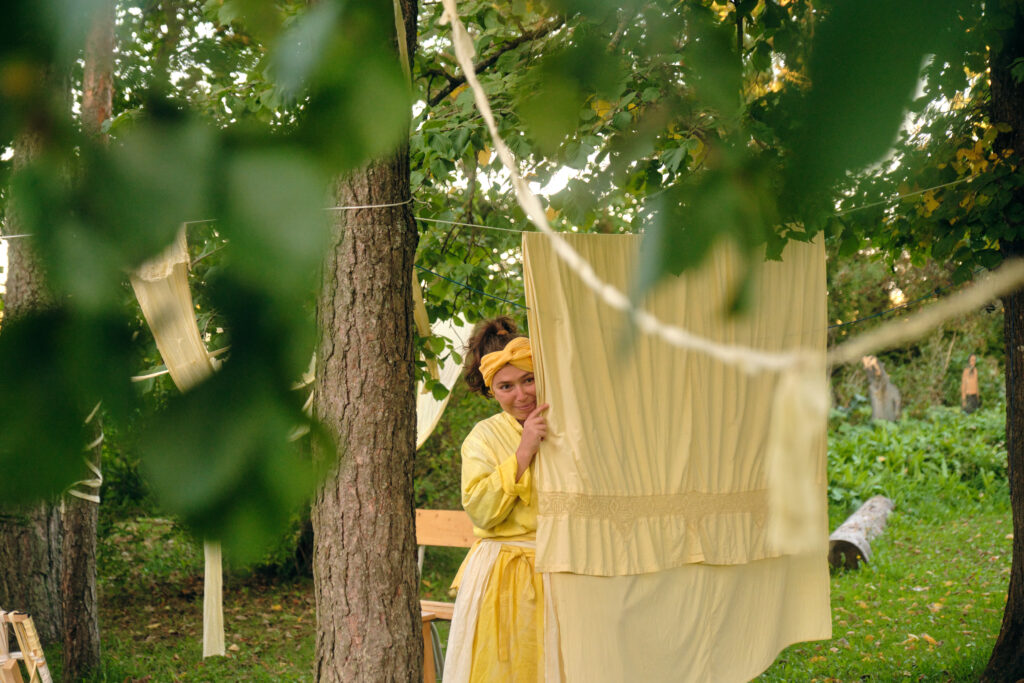
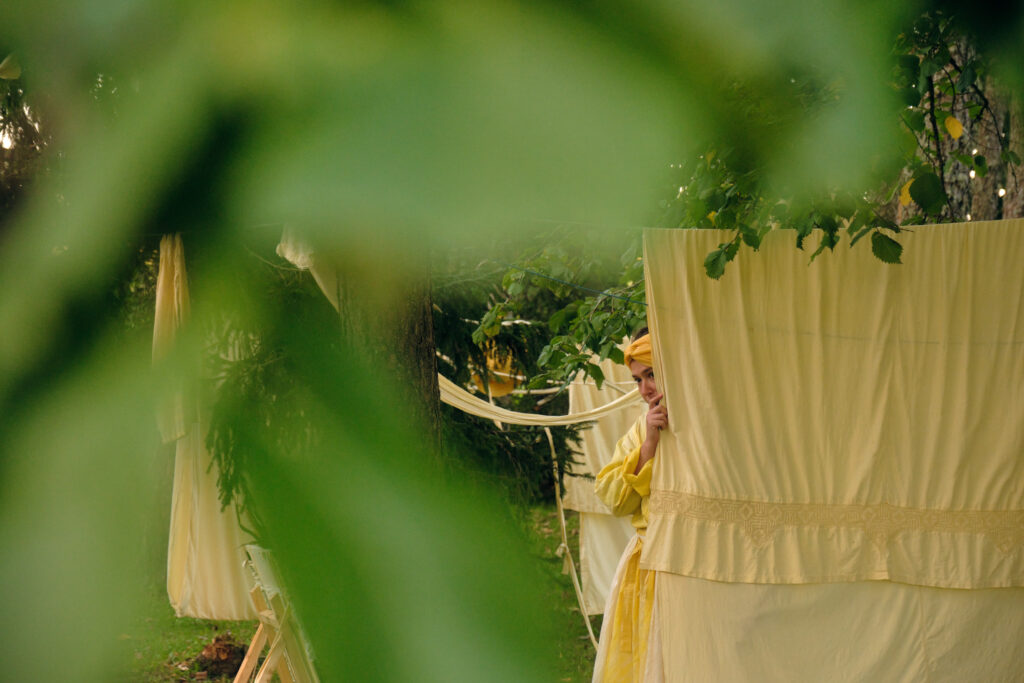
Leian end tihniku lähedalt. Sinisel toolil leitud MP3-mängija abil pean järgima rada, „Ariadne lõnga“, „Kollase tšakrani“. Koos joome puude all teed ja põletame lõpuks sümboolse kujutise „inimesest või asjast, mida ma ei suuda seedida“. Mu randme ümber on ka pael, mis ristib mind ülejäänud õhtuks „Kollaseks“ ja asendab minu nime, Ilo. Enne kui jõuame maja sissepääsuni, ulatab ta mulle kummeliteepaki, mille sisse on kirjutatud Robert Frosti tsitaat: „Ainus väljapääs on läbimine.“ Selle julgustava motoga kindlustatuna asun teele.
Puhastus ja paranemine
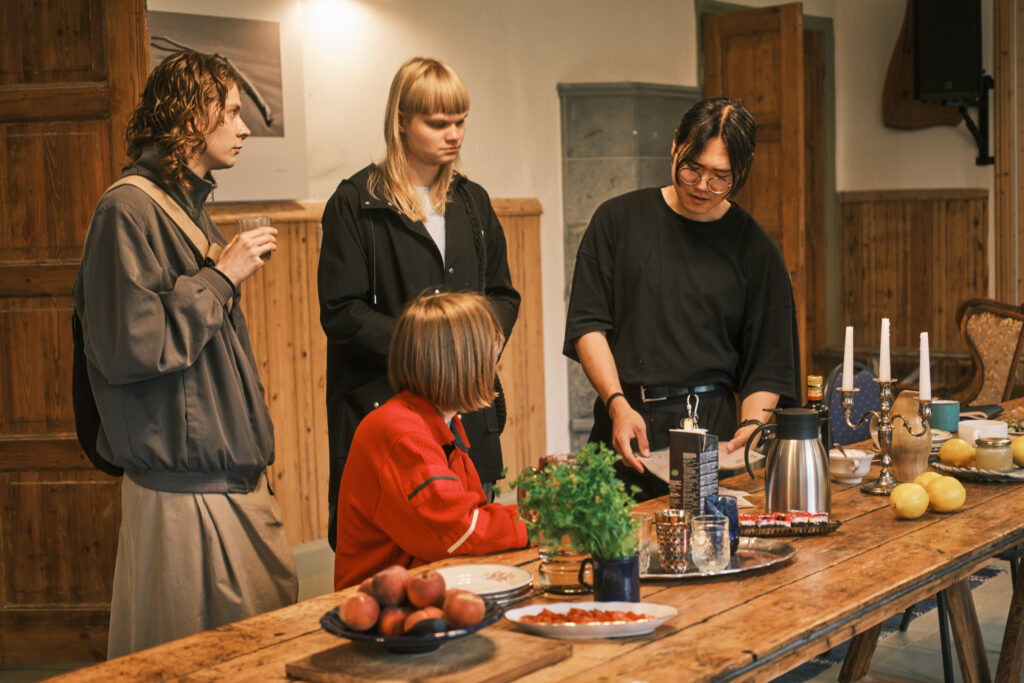
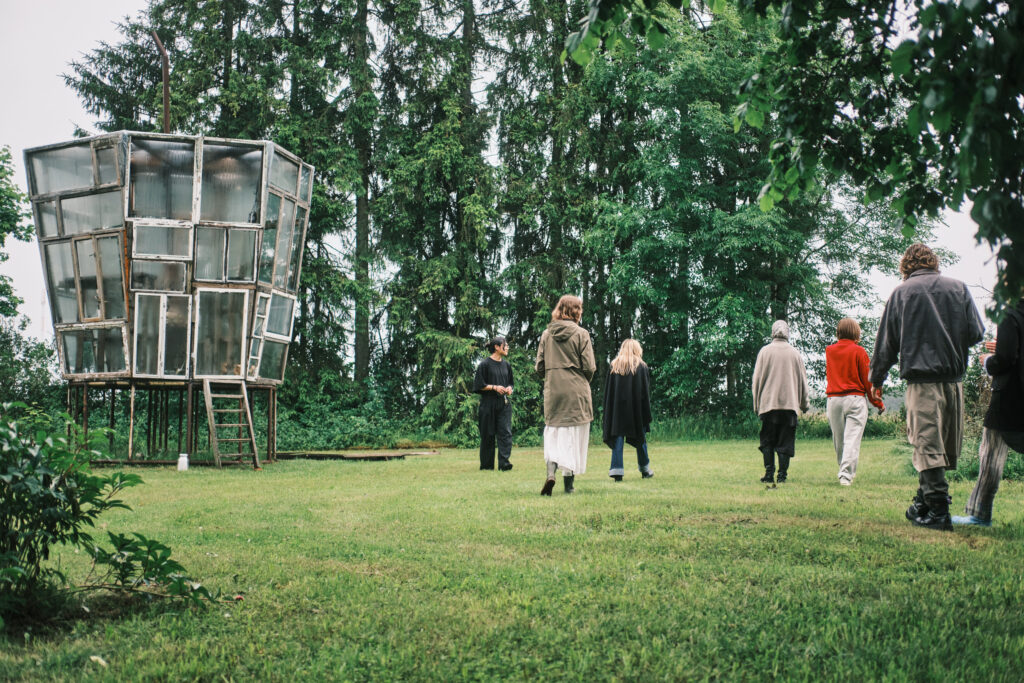
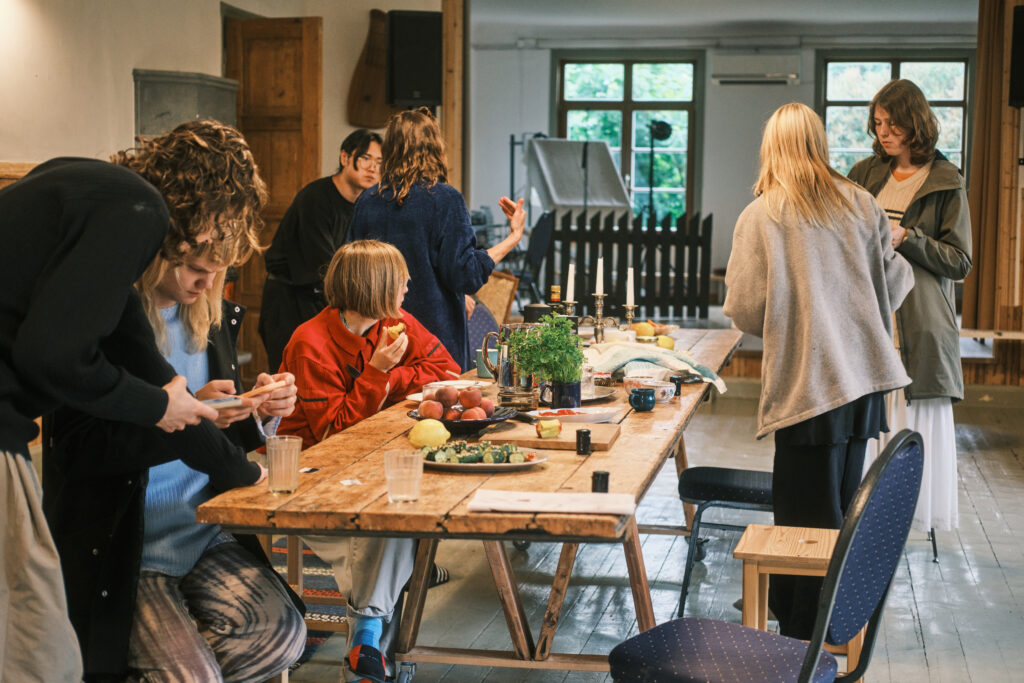
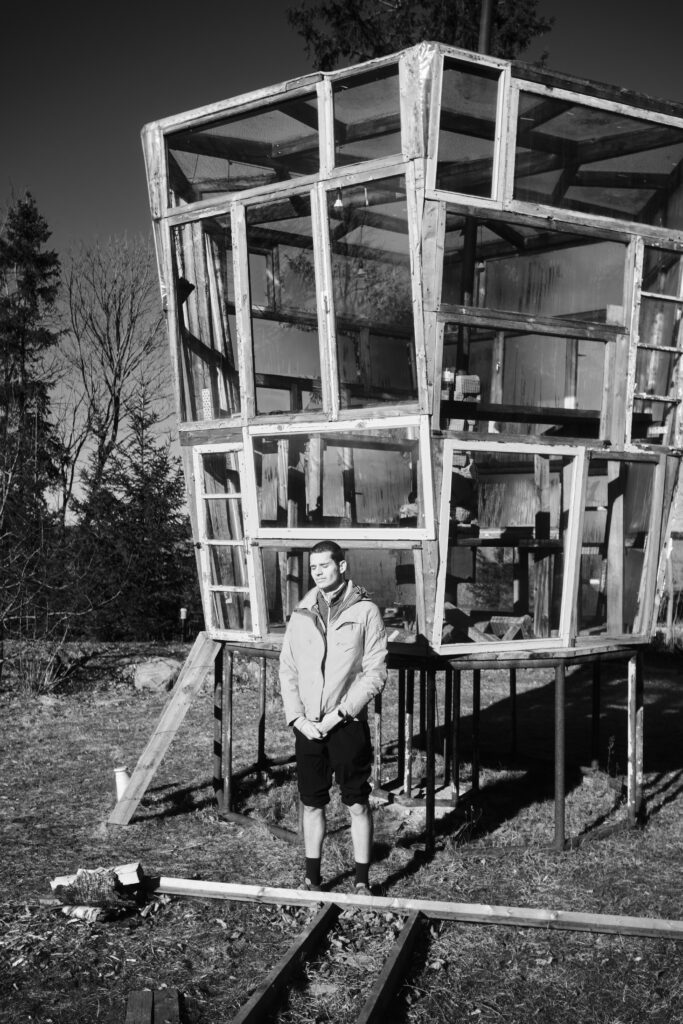
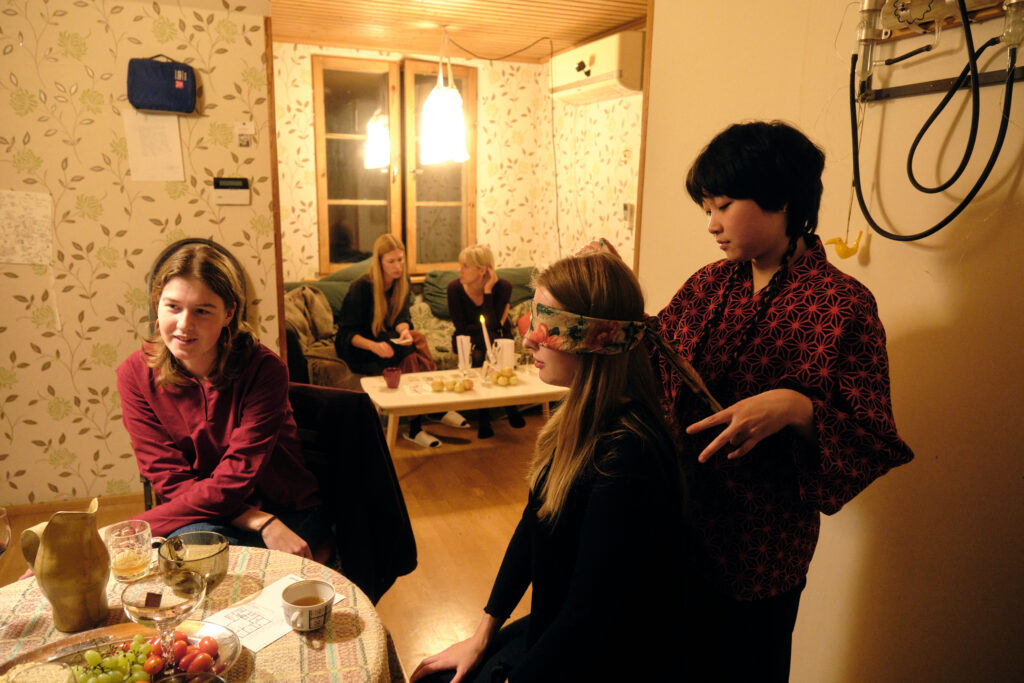
Iga vaataja käib oma rada, kuid kõiki ühendab ühine kohtumispaik: kollase puitmaja ülakorruse köök. Seal on kaetud laud veini ja suupistetega, kus võib kaarte mängida või koos leiba küpsetada. Nii liigub igaüks mööda oma trajektoori läbi maja ja koges mitmesuguseid puhastavaid kogemusi.
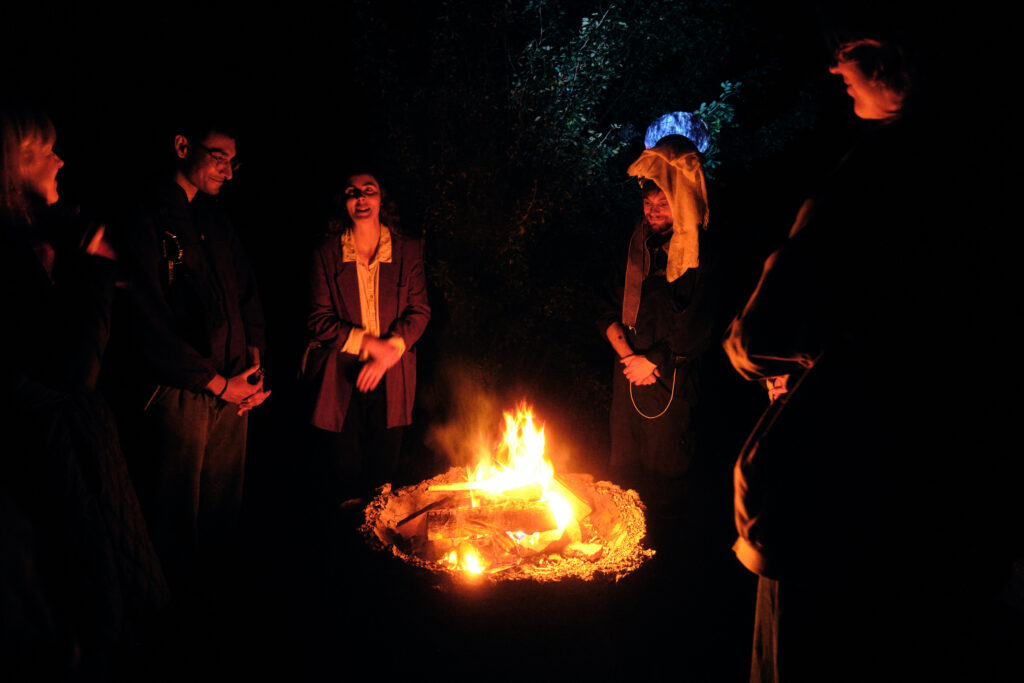
Nagu Rumi luuletuses, lahkuvad mõned meist mõneks ajaks, teised aga naasevad. Taustal mängib raadios muusikasaade ja diktor edastab teateid selle kohta, kes peaks kus olema. Nii liigub igaüks mööda oma trajektoori läbi maja ja koges mitmesuguseid puhastavaid kogemusi. Paljud ruumid on isiklikud ning põhiline on üllatus, mis ootab ukse taga. Seetõttu ei pea ma sobivaks iga ruumi eraldi kirjeldada.
Neile, kes ise teekonda ette võtta ei saa, võib saladusloori siiski nii palju kergitada, et jääb ruumi unistamiseks, sisemise lapsega ühenduse loomiseks, meeleliselt rikkas taju-labürindis liikumiseks, iseenda nägemiseks teise silmade läbi ja lapselikuks avastamisrõõmuks. Samal ajal on köök hea, neutraalne vaheruum, mis kogemust maandab. See jätab aega, et leib ahjust välja tuleks ja muljeid jagada enne, kui KitchenFM annab järgmise ülesande.
Kui sedalaadi immersiivsetes, paigaspetsiifilistes lavastustes kipub üks kogemus teise üle kirjutama, siis siin üllatavad kõik kaheksa ruumi oma tähelepanuväärse ühtsusega. Iga ruumi jaoks loodud atmosfäär ja kujundus võimendavad kogemuse intensiivsust. Lisaks ei pea vaataja esinema ega rolli mängima, vaid võib lihtsalt jääda iseendaks. Kui argimaailm näib olevat jäänud lävepakule, omandab maja uusi mõõtmeid ja meenutab üha enam sisemist keerist, kus saab oma tõelisele minale lähemale jõuda.
Kuigi teekond esitati algul missioonina avada maja energiaallikad, selgub järk-järgult, et puhastus toimub tegelikult meie endi sees. Ometi juhtub see ilma pealetükkivalt esoteeriliseks muutumata. See on pisut nagu sisenemine Hesse „Stepihundi“ Maagilisse Teatrisse, kus iga ukse taga ei peitu muud kui järjekordne võimalus iseendaga silmitsi seista.
Viis tundi lendavad märkamatult mööda ja tagantjärele tundub sobiv kirjeldada sündmust puhastava, isegi tervendava teatrielamusena. Etendusele eelnenud ärevus pühitakse minema, sest vastupidiselt kartustele on etendust ümbritsev õhkkond sügavalt hooliv ja soe.
Kui saabub aeg majaga hüvasti jätta, on lahkumine raske. Etenduse lõpuks oleme rühmaga piisavalt lähedaseks saanud, et tunda, nagu oleksime kogu teekonna koos läbi teinud, kuigi võime vaid ette kujutada, kuidas iga üksik vaataja ruumides kogetut tõlgendas. Kui saabub aeg majaga hüvasti jätta, on lahkumine raske. Ometi on see tugevam side iseendaga, mis selle ühise performatiivse kogemuse kaudu tekkis, see, mis jääb meiega koduteel.
/////////////////////////////////
In September, Copper Leg Residency hosted an immersive performance “A Body to Dwell”. The author of the performance is Seren Oroszvary. Following is a review written by Ilo Tuule Rajand.
A five-hour performance in a secret location. Although the audience embarks on the journey together, the trek itself must be made alone.
On the way to the performance at the secret location, I realise that part of the pleasure of immersive, journey-style productions lies in the excitement of embarking on a childhood-dream adventure—mixed, at times, with the awkward worry: “What if I don’t quite understand what’s going on?”
Australian performance artist Seren Oroszvary’s immersive production A Body to Dwell examines the body as a house, inviting the audience to discover the intimate symbiosis that arises within it.
Many of the rooms are of a personal nature, and the key element is the surprise revealed behind the doors.
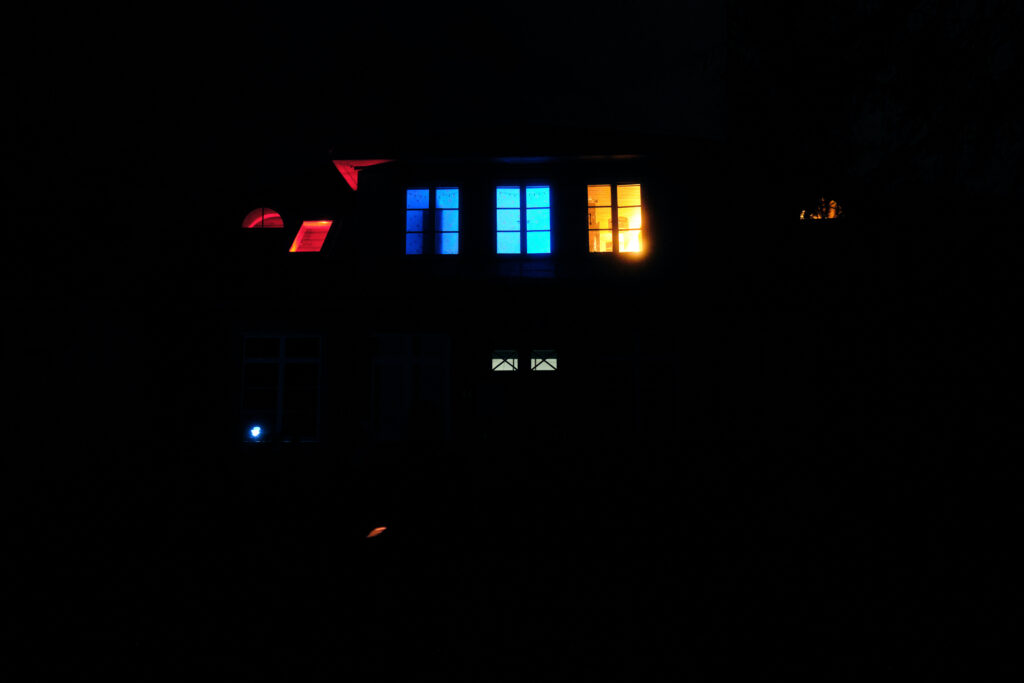
During the performance, the audience is led to explore a house where various rooms—brought to life by performers Lea Blau, Maya Libera Castellini, Samuel Skoog, Jarmo Reha, Yiyang Sun, and Fausta Noreikaitė—reveal layers of our own selves.
In terms of form, the rooms represent the chakras, providing a useful framework for visualizing the body as a seven-room house. To give meaning to the spiritual balance and the journey, the work also references the poem “The Guest House” by the 13th-century Sufi mystic Rumi; it teaches us to view emotions as guests for whom we must make space, as they, too, may hold lessons we need.
A shared beginning, a separate journey.
I am waiting for the performance to start by the tram tracks beneath Linnahall. Immersive journey-style performances clearly take the audience out of the conventional theater setting, requiring presence and an open mind; yet, this also makes them slightly daunting—especially when all one knows is that the upcoming show will take place at a secret location and last approximately five hours.
However, the fear of the unknown subsides when we are greeted by Seren Oroszvary—wearing a purple jacket and exuding a calming presence—who quickly briefs us on the evening ahead and hands each spectator a specific prop. Each prop represents a colour—and, by extension, a chakra—so we find ourselves grouped by colours like Power Rangers. In the distance, we spot Jarmo Reha; alongside his role as the driver of the black “Hermes” van, he acts as a soothing guide whose voice leads us through the house and toward the tasks awaiting us. A minibus picks up the audience near Linnahall, and the journey to the secret location begins.
During the drive, I repeatedly reconsider which room might correspond to the stomach. Logically, the kitchen seems like the obvious answer, but we have also been given cards depicting a floor plan of a multi-room house. This gives me time to analyse the symbolic connections between body parts and rooms, all while the journey is accompanied by an audio drama and soundscapes playing through headphones—sounds that seem to exist in a soothing symbiosis with the city centre’s rush hour, a parade of semi-trucks, and the passing apartment blocks. I sense that part of the appeal of these immersive journey-style performances lies in the thrill of embarking on a childhood-dream adventure, mixed at times with the awkward fear that I might not quite grasp what is going on.
Although we set out on the journey together, each person must complete their assigned task—using a specific prop—on their own. Since I am dropped off among the first, I do not see the expressions on my fellow travellers’ faces as they face their own tasks.
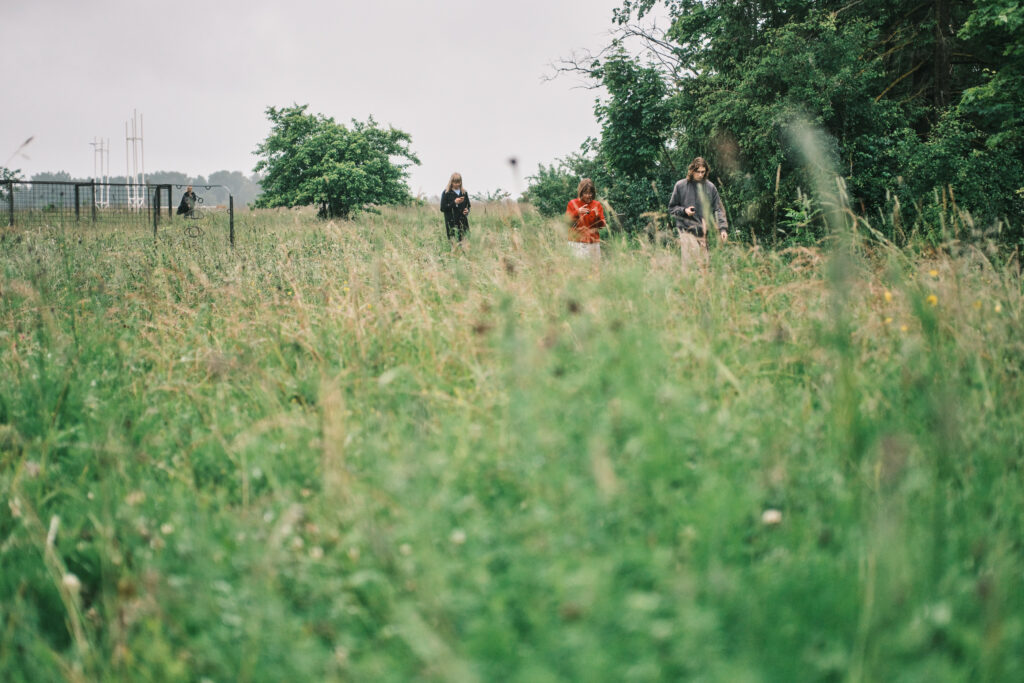
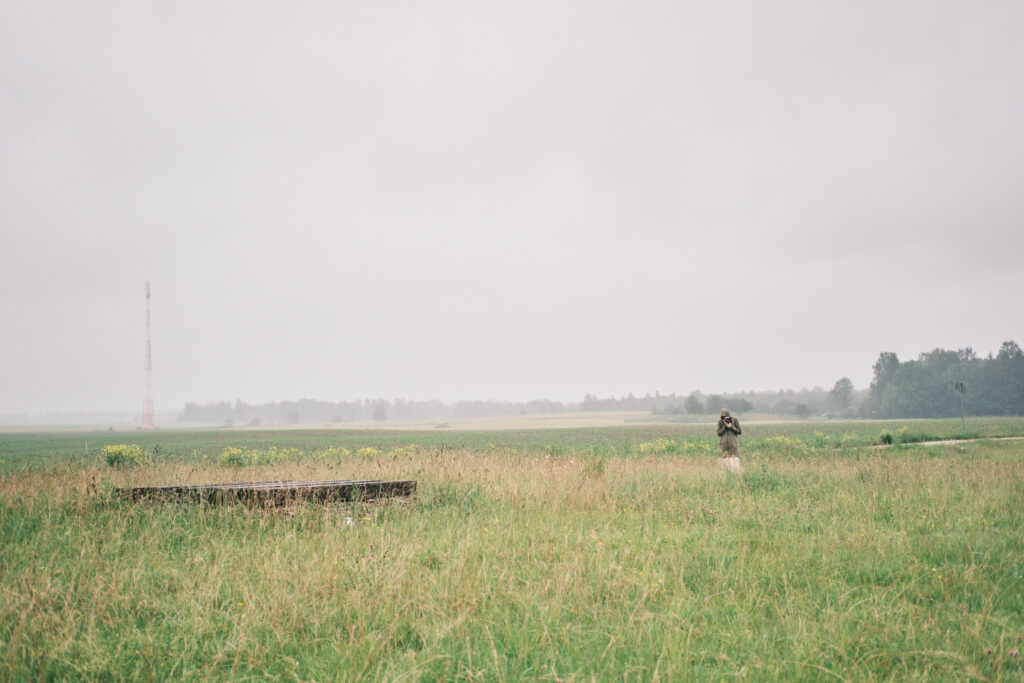
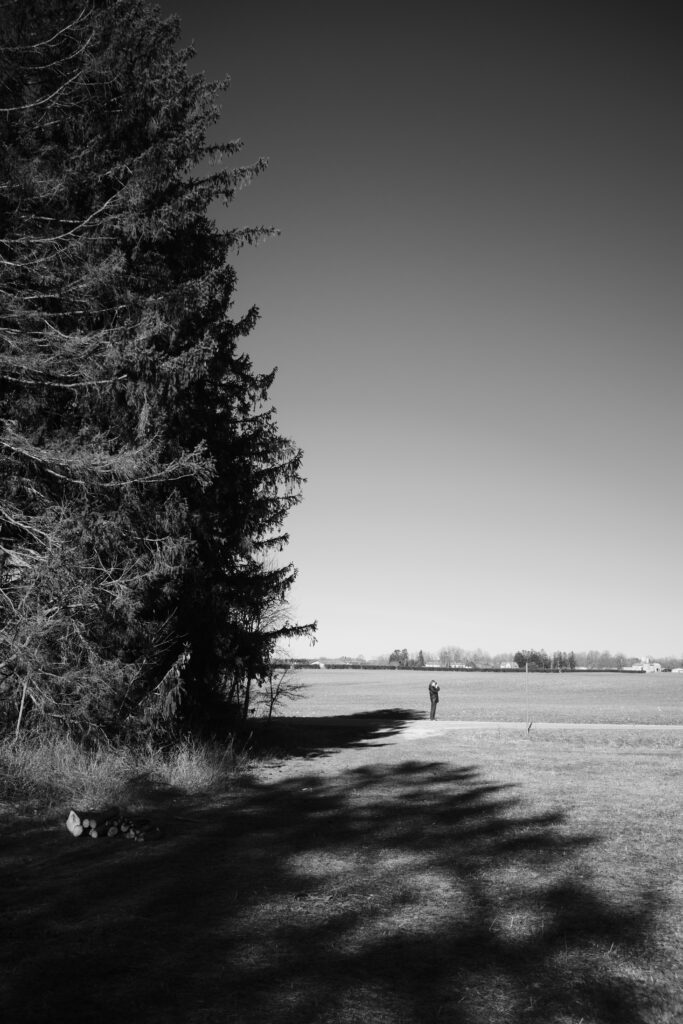
I find myself near a thicket; using an MP3 player found on a blue chair, I must follow a trail—an “Ariadne’s thread”—to the “Yellow Chakra.” Together, we will drink tea among the trees and finally burn a symbolic representation of “a person or thing I cannot digest.” I also have a ribbon tied around my wrist, christening me “Yellow” for the rest of the evening—replacing my name, Ilo. Before we reach the entrance to the house, she hands me a chamomile tea bag with a quote from Robert Frost written inside: “The only way out is through.” Bolstered by this encouraging motto, I set off on the journey.
Cleansing and Healing
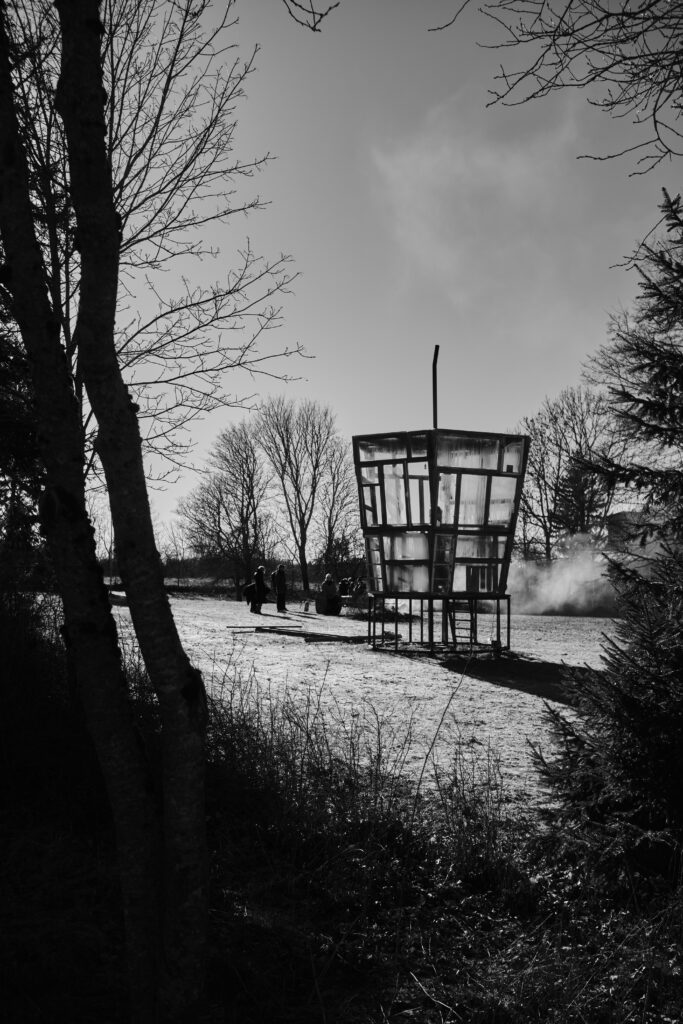
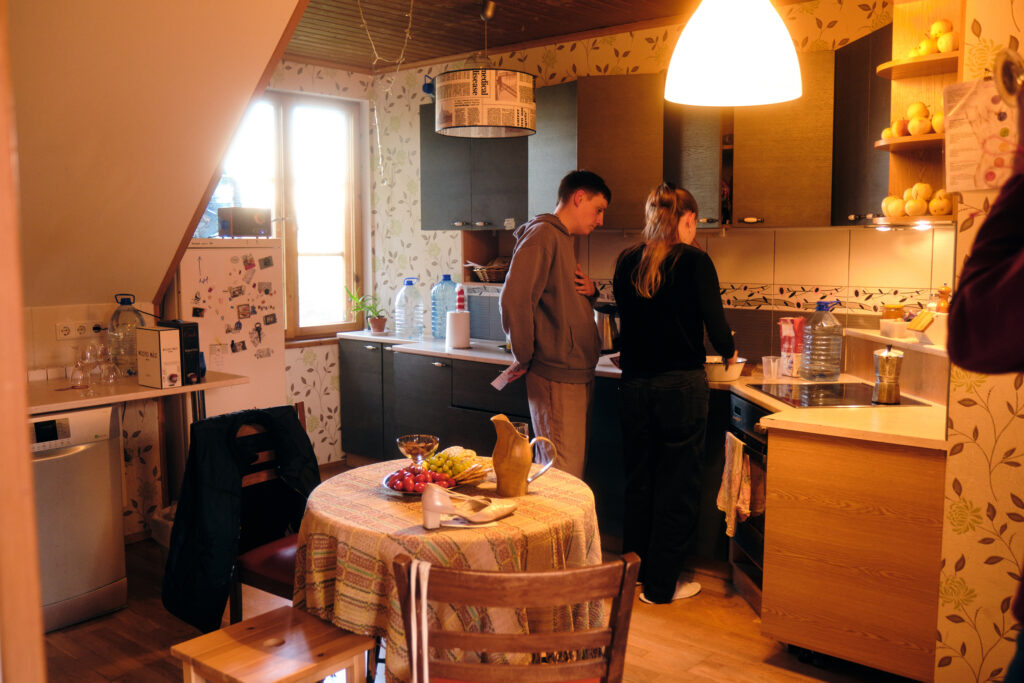
Each spectator follows their own path, yet all are united by a common meeting point: the kitchen on the upper floor of the yellow wooden house. There, a table is set with wine and snacks, and one can play cards or bake bread together. In this way, everyone moves along their own trajectory through the house and undergoes various cleansing experiences.
As in Rumi’s poem, some of us leave for a while, while others return. A music program plays on the radio in the background, with an announcer relaying messages about who is expected where. Thus, everyone moves along their own trajectory through the house and undergoes various cleansing experiences. Many of the rooms are of a personal nature, and a key element is the surprise revealed behind the doors; for this reason, I do not feel it appropriate to describe each room individually.
Yet, for those unable to undertake the journey themselves, the veil of secrecy can be lifted just enough to allow for dreaming, connecting with one’s inner child, navigating a sensorially rich labyrinth of perceptions, seeing oneself through another’s eyes, and experiencing the childlike joy of discovery. At the same time, the kitchen serves as a good, neutral intermediate space that grounds the experience. It allows time for the bread to come out of the oven and for impressions to be shared before KitchenFM issues the next task.
While in such immersive, site-specific productions one experience often tends to overwrite another, here, all eight rooms surprise one with their remarkable cohesion. The atmosphere and design crafted for each space amplify the intensity of the experience; furthermore, the viewer is not required to perform or play a role, but is free to simply remain themselves. With the mundane world seemingly left at the doorstep, the house takes on new dimensions, increasingly resembling an inner vortex where one can draw closer to one’s true self.
Although the journey was initially presented as a mission to unlock the house’s energy sources, it gradually becomes apparent that the act of purification is actually taking place within us. Yet, this happens without becoming cloyingly esoteric. It feels a bit like entering the Magic Theatre in Hesse’s Steppenwolf, where behind every door lies nothing more than a different opportunity to confront oneself.
Five hours fly by unnoticed, and in retrospect, it feels fitting to describe the event as a cleansing, even healing, theatrical experience. Any pre-show anxiety is swept away, for contrary to one’s fears, the atmosphere surrounding the performance is deeply nurturing and welcoming.
When the time comes to bid farewell to the house, leaving proves difficult. By the end of the performance, we have bonded sufficiently with the group to feel as though we have shared the entire journey together—even though we can only imagine how each individual spectator interpreted what they experienced in the rooms. When the time comes to bid farewell to the house, leaving is difficult; yet, the stronger connection with oneself forged through this shared performative experience is what remains with us on the way home.