
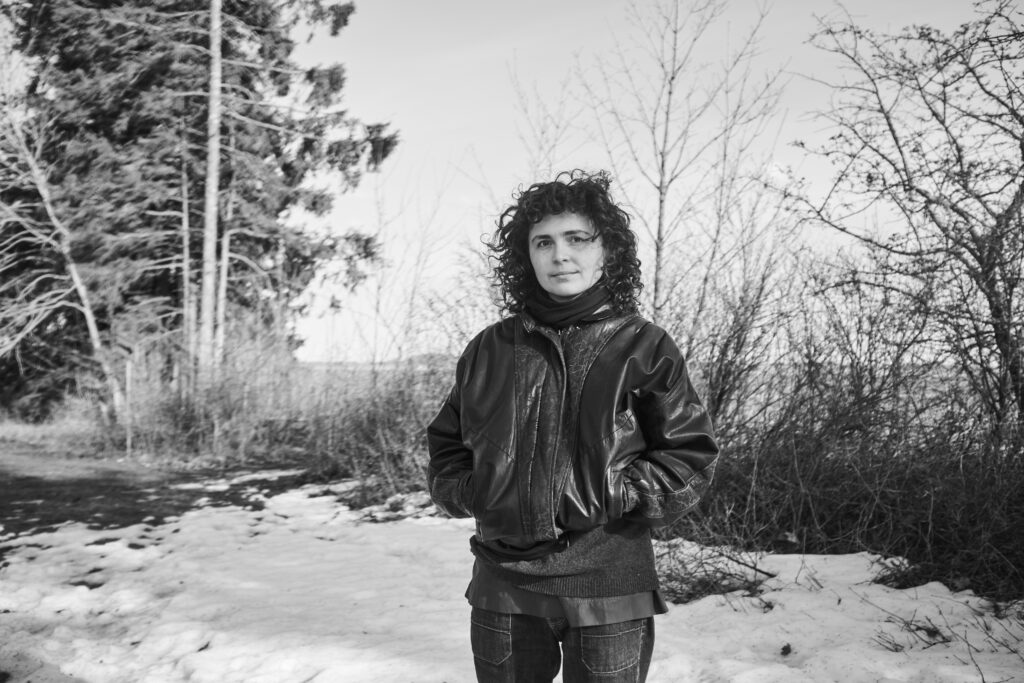
Millie Player is an artist living and working in Edinburgh, Scotland. Her practice drawsher to leftovers, sometimes food, but also whatsapp archives, sentiments, or what other people write down. The act of disappearing interests her, or perhaps making things last.Their work tends to sit in between spaces of drawing, photography and installation.They think a lot about phones, light and types of paper.
She has participated in numerous group exhibitions across the UK and was a memberof the 2023-24 Collective Studio co-hort at the Newbridge Project. Upon graduating,their work was purchased by Edinburgh University’s Centre for Research Collectionsand she was awarded a study scholarship by the Universität der Künste.
Tell us a bit about who you are and what you do.
I was born in London and moved to Edinburgh to study at an art school, where I’ve livedfor about 8 years now. I run a space called Embassy Gallery – an artist-run organisationthat’s been going for over 20 years. We put on exhibitions, events, and workshops tosupport early career artists. Everyone who works there is an artist themselves, whichmakes it quite a unique place. It has a lot of DIY roots, but it’s grown into somethingmore established over the years. Alongside that, I have my own practice, workingmainly with photography, drawing, and film.
What kind of ideas do you explore in your work?
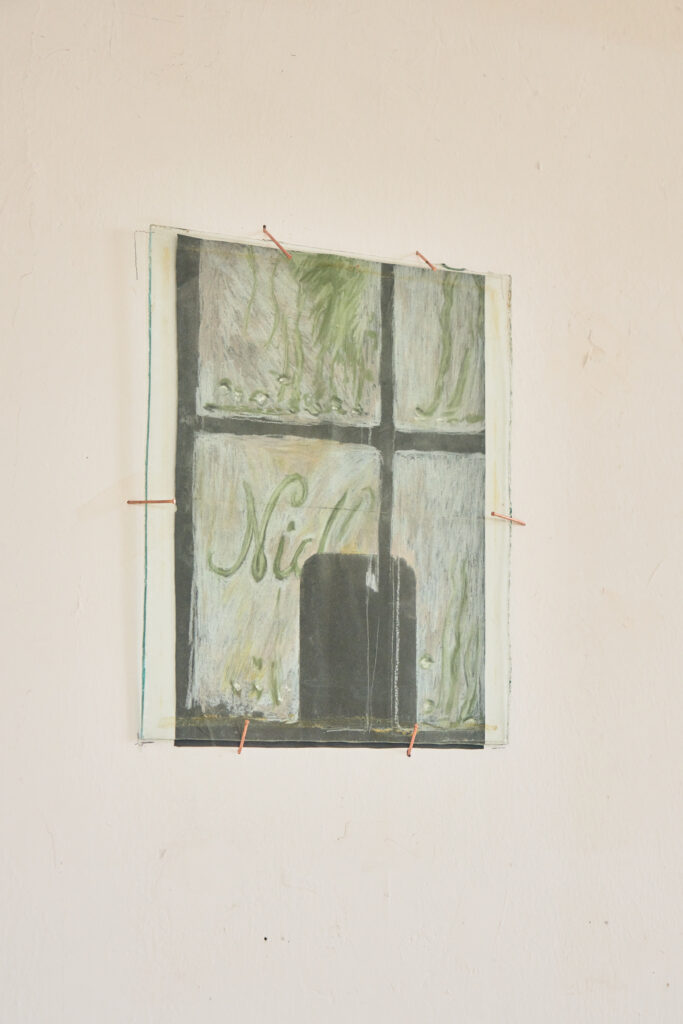
A big topic for me is memory and how we preserve traces of a person. A lot of my workcenters around my grandmother. She lives far away, so our relationship is mostly builtthrough distance. She texts me constantly and sends photos through WhatsApp, whichautomatically saves images on my phone. At first, I thought it was strange to have allthese images I didn’t take and had no context for, but they became really important tome because they are so her – and honestly, they’re often very funny. There’s somethingtouching about watching an older person navigate technology in their own way. So Itake those images and reproduce them. Sometimes through contact printing, where Iliterally lay the phone face-down on photopaper and let it leave a mark or trace. Othertimes I make drawings from them, picking out the parts that feel meaningful.Photography feels very instant, but drawing takes time, so it becomes a way of reallysitting with an image rather than just scrolling past it. I also have negatives and printsmade by her late brother, who passed away when I was young and who was just gettinginto photography. Some only exist as negatives and some only as prints. I’ve beenthinking about what it means to reprint and preserve those – trying to piece togetherwho he was and what mattered to him through what he chose to photograph.
Have your surroundings here influenced your work?
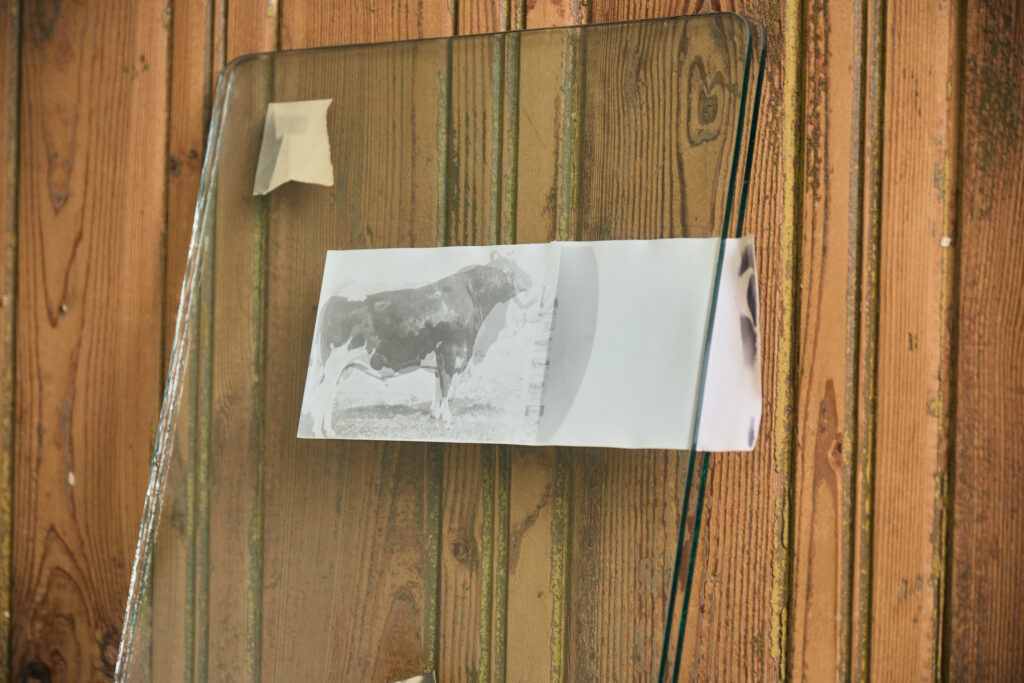
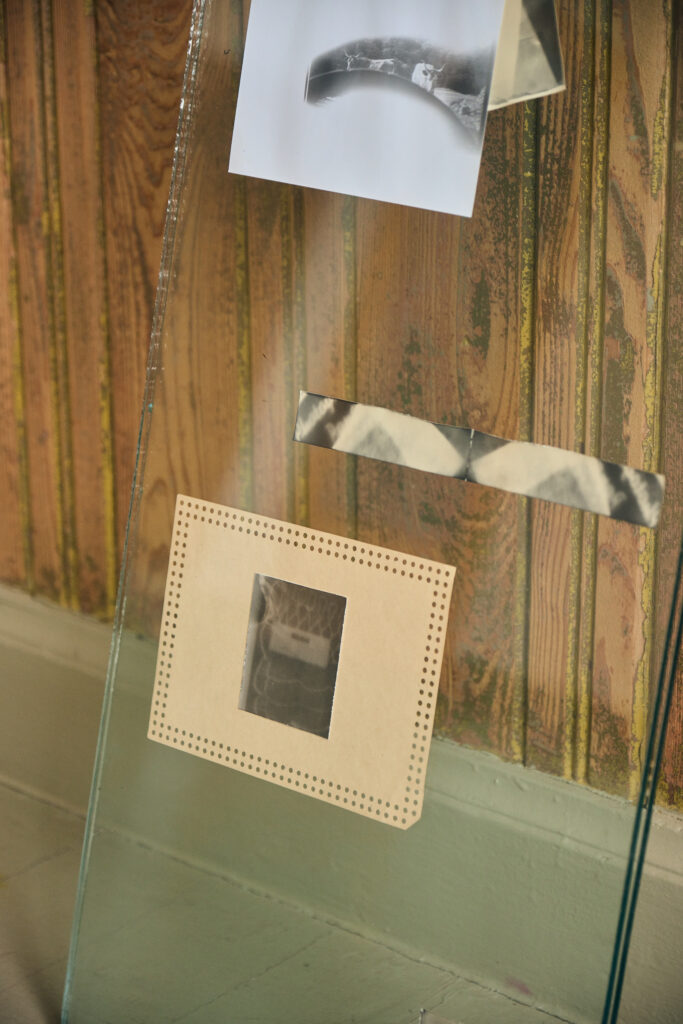
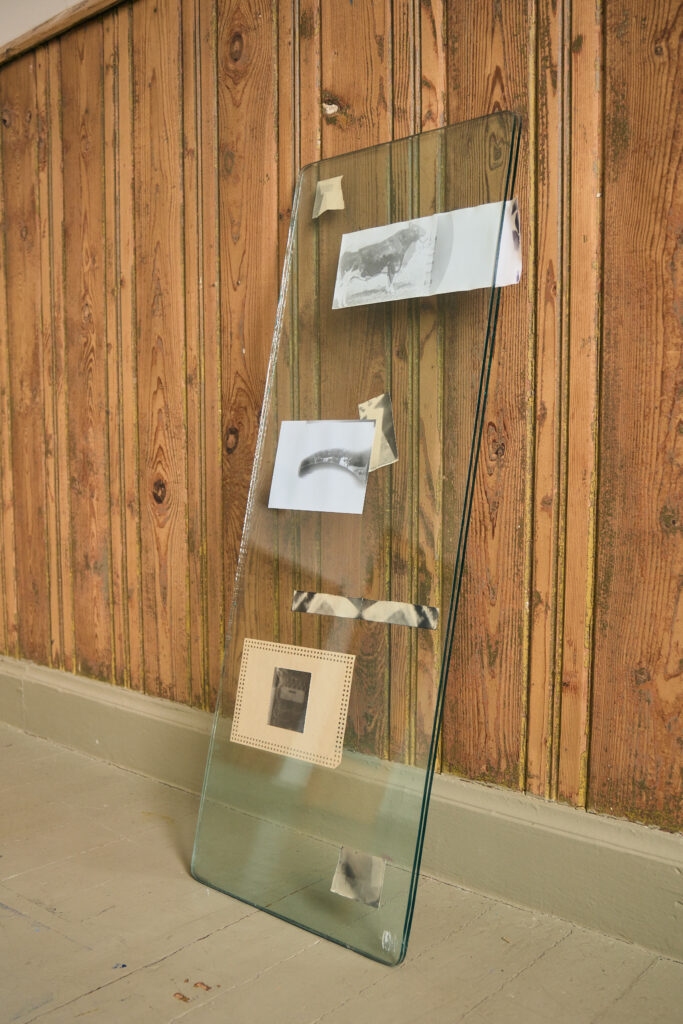
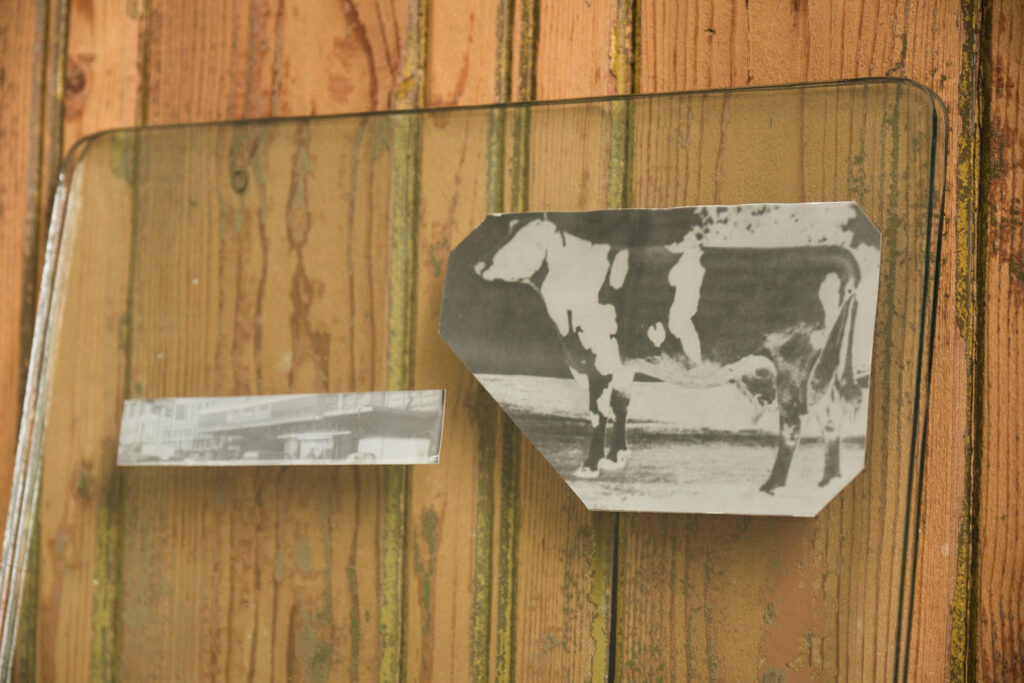
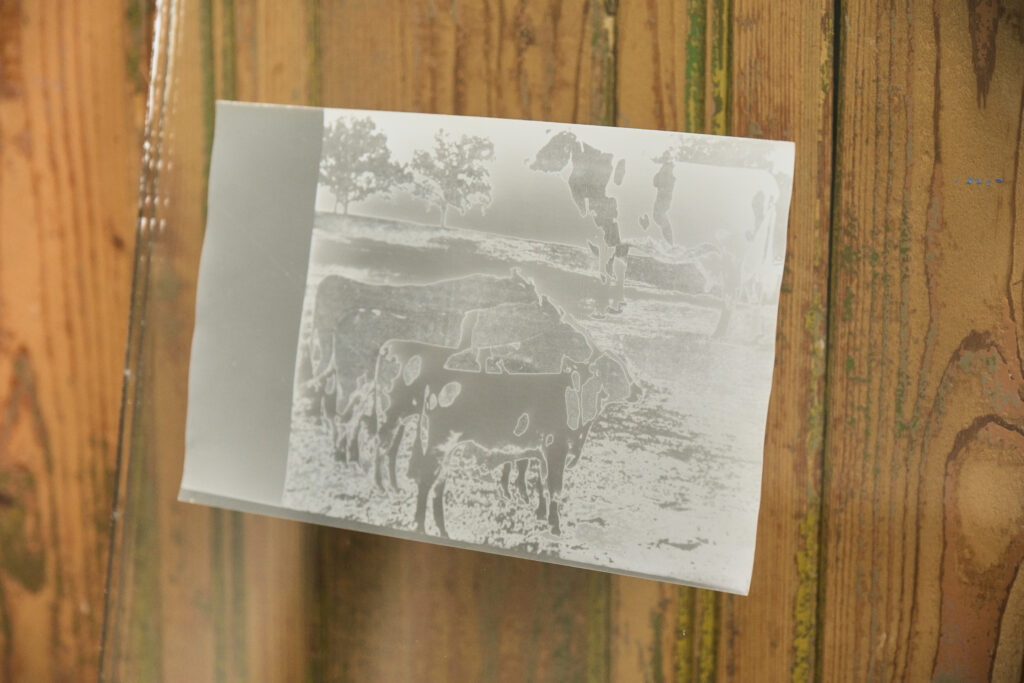
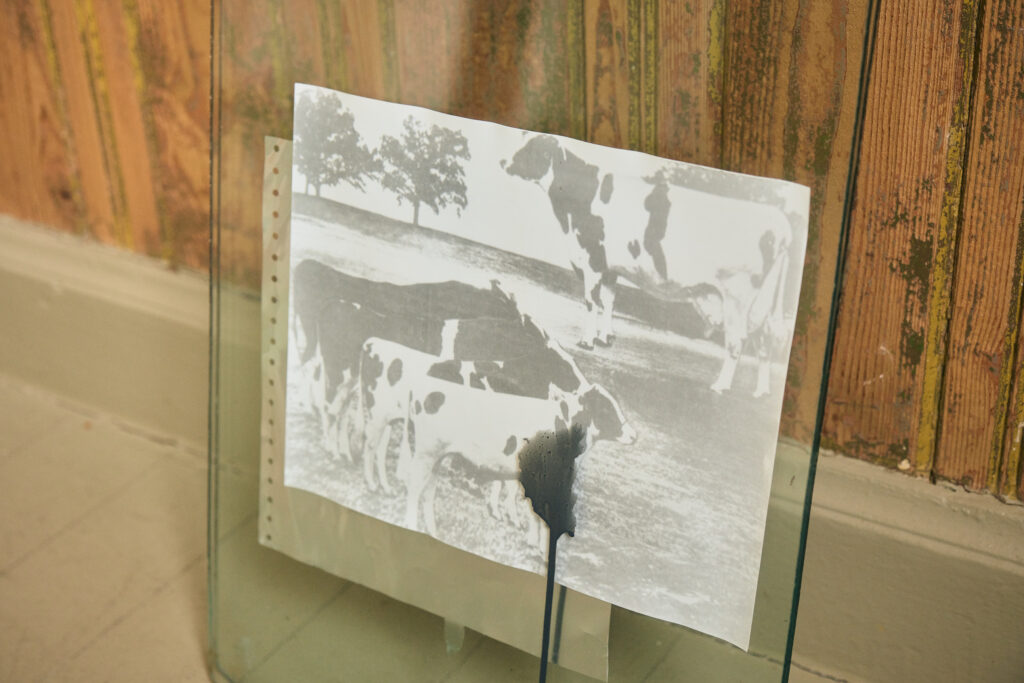
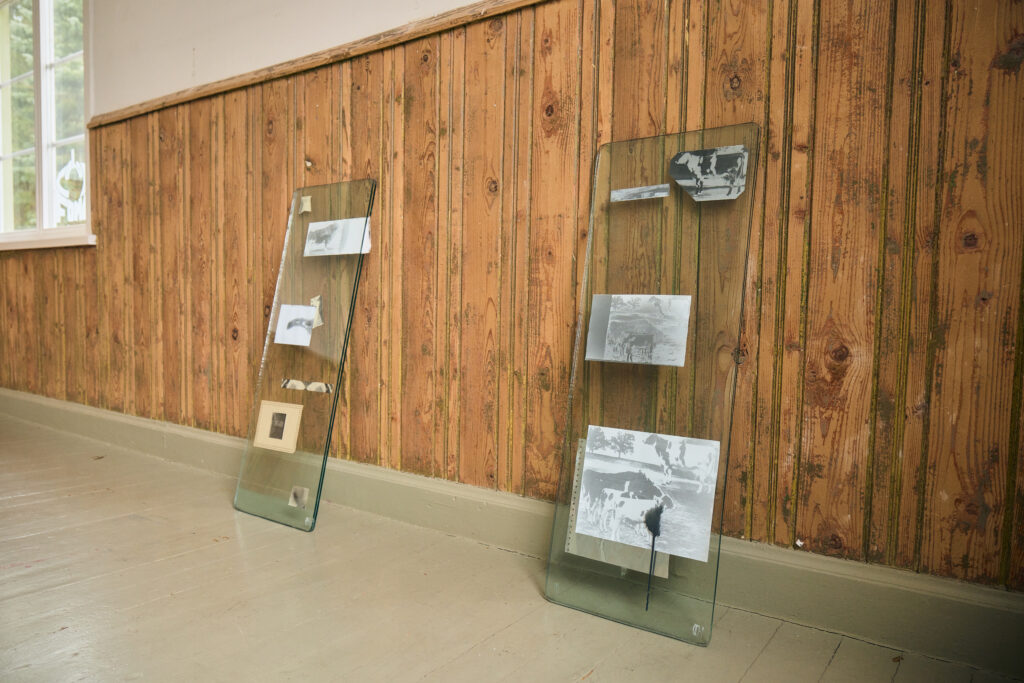
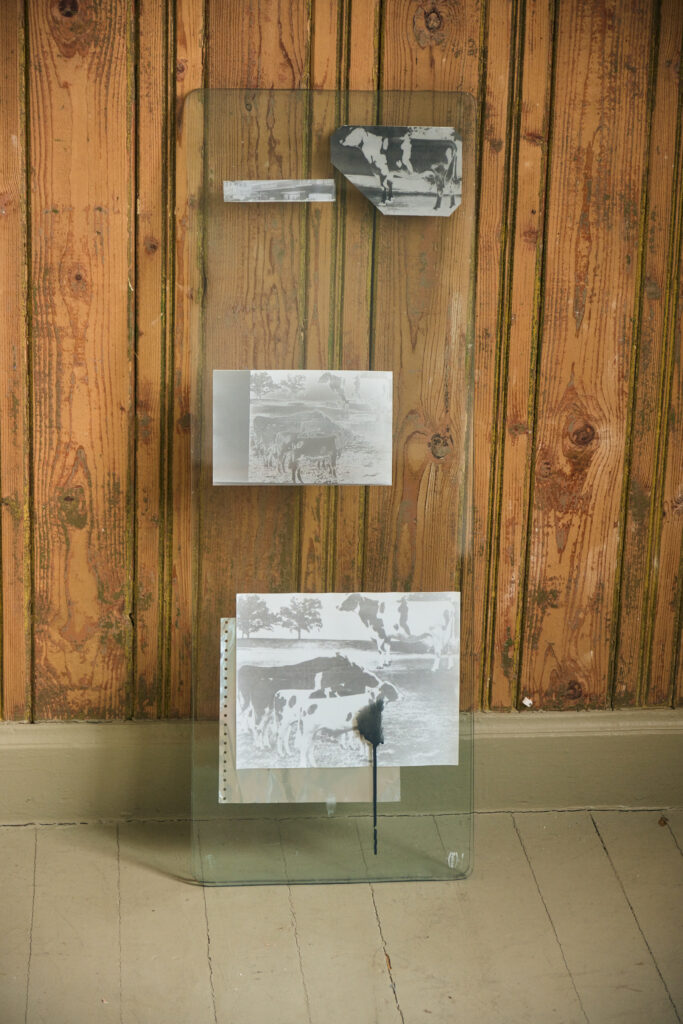
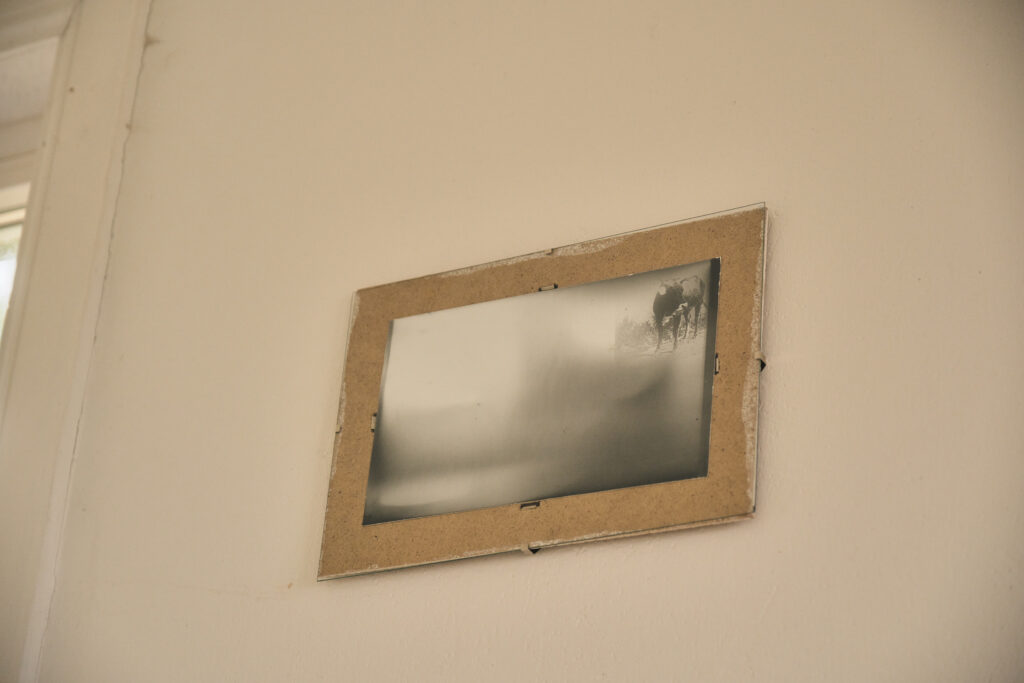
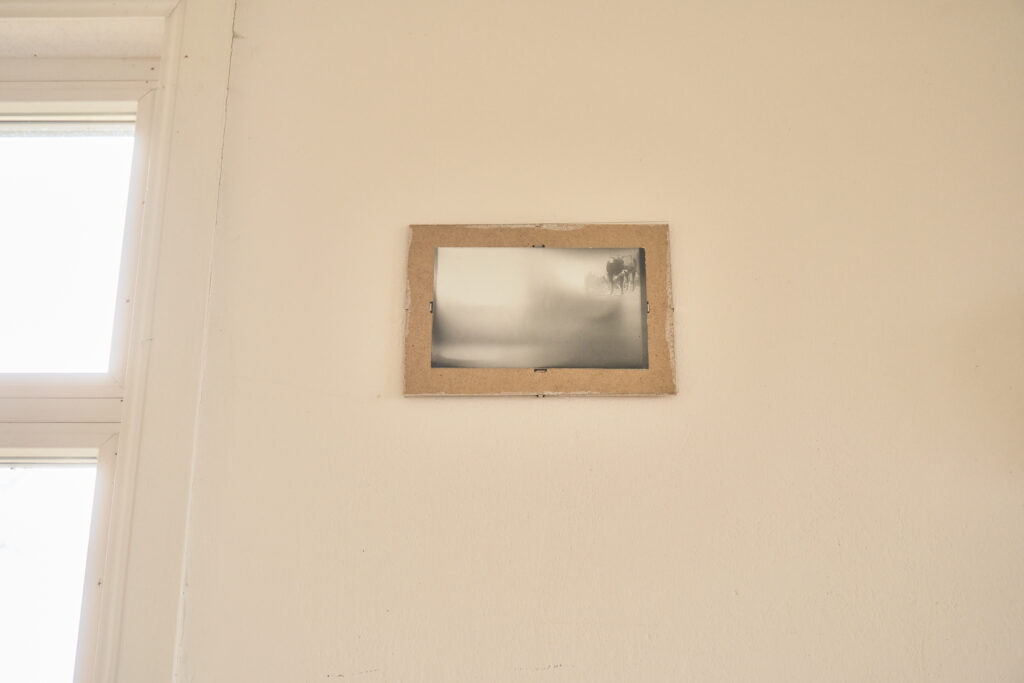
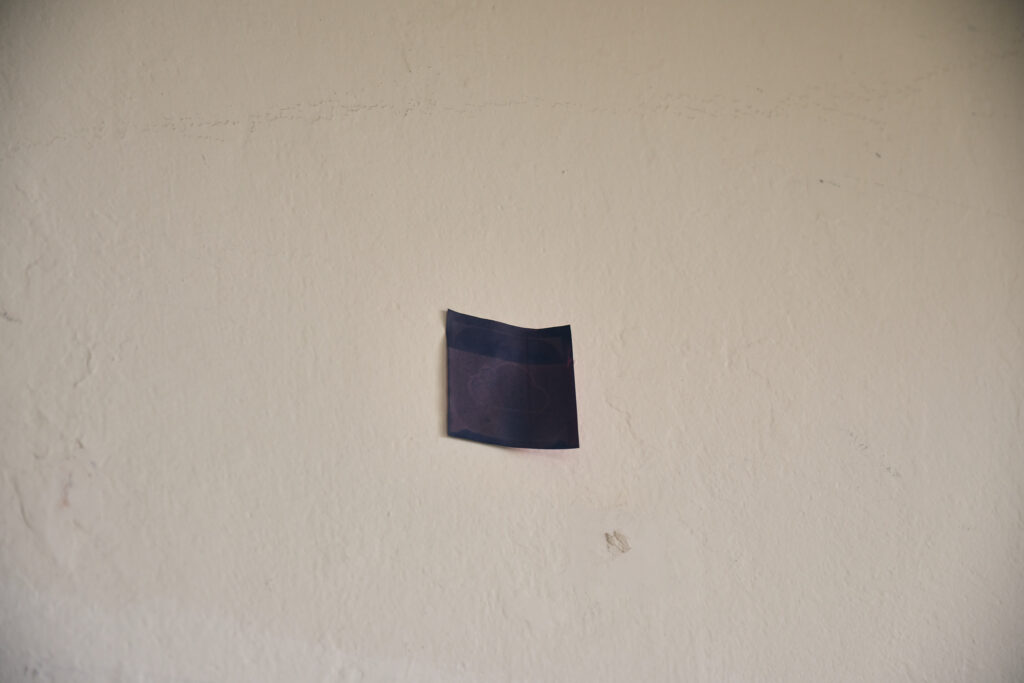
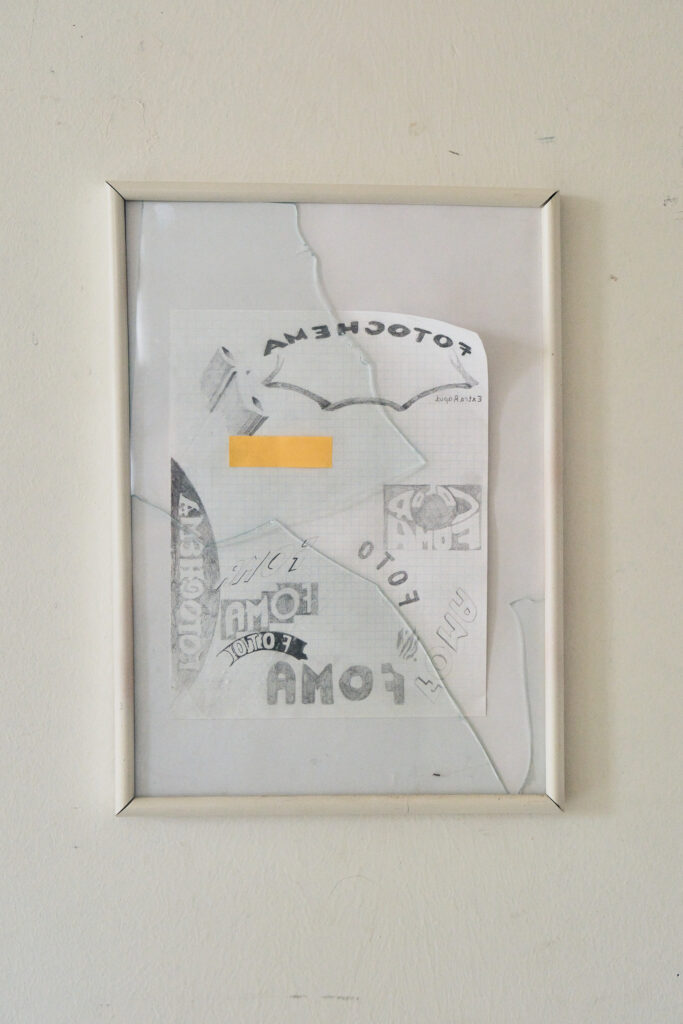
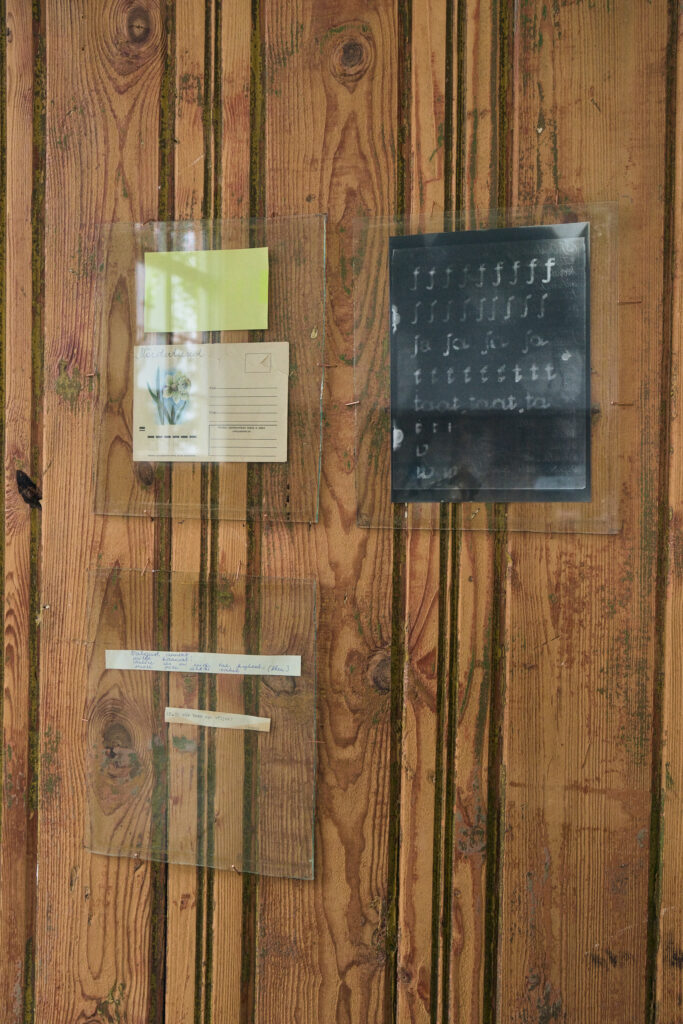
It’s hard to ignore where you are when you’re making work. I found a handwritingpractice sheet under a cracked frame in the main room, which immediately caught myattention. I’ve always been fascinated by how the structure of language gets embeddedin you as a child. It shapes how you think and communicate for the rest of your life. I’vebeen experimenting with printing those letters onto Post-it notes and leaving them out inthe sun. Cheap Post-it paper has poor ink quality, so the color gradually bleeds awayover time, which works in a similar way to how photographs fade. I also foundenvelopes full of old folk riddles, some dating back to the 18th or 19th century. Readingthrough them and seeing how completely stumped my friends were by them made methink about how much knowledge and humour is tied to a specific culture and time.Something that was once common sense becomes a mystery from the outside. Andthen there was a soviet agriculture magazine filled with black-and-white photographs ofcows that are oddly surreal.
What will you be showing at the end of your residency?
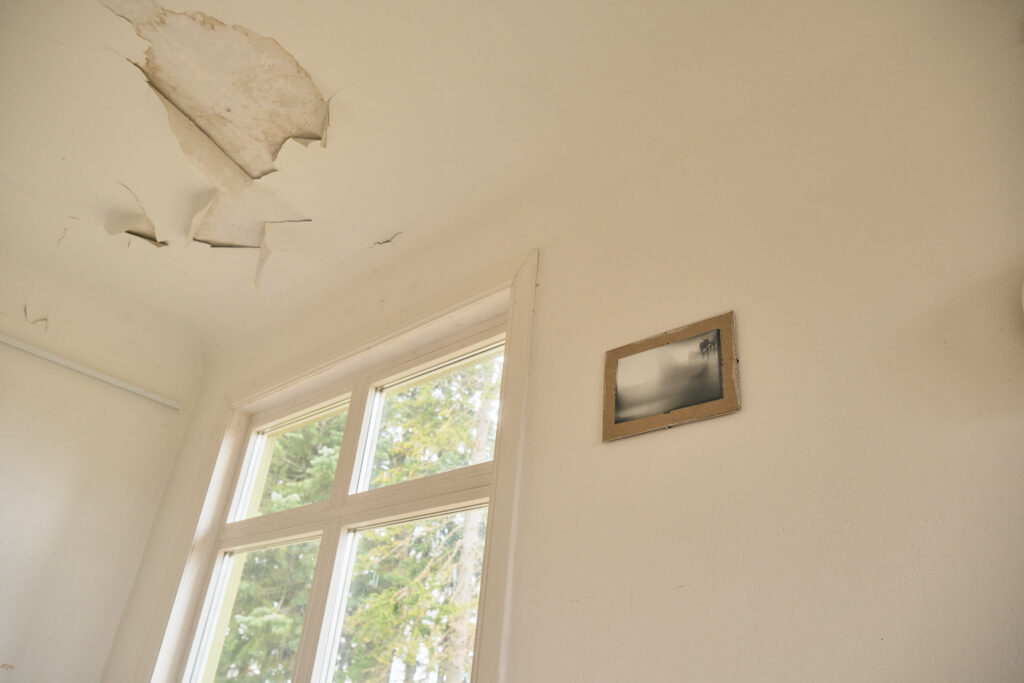
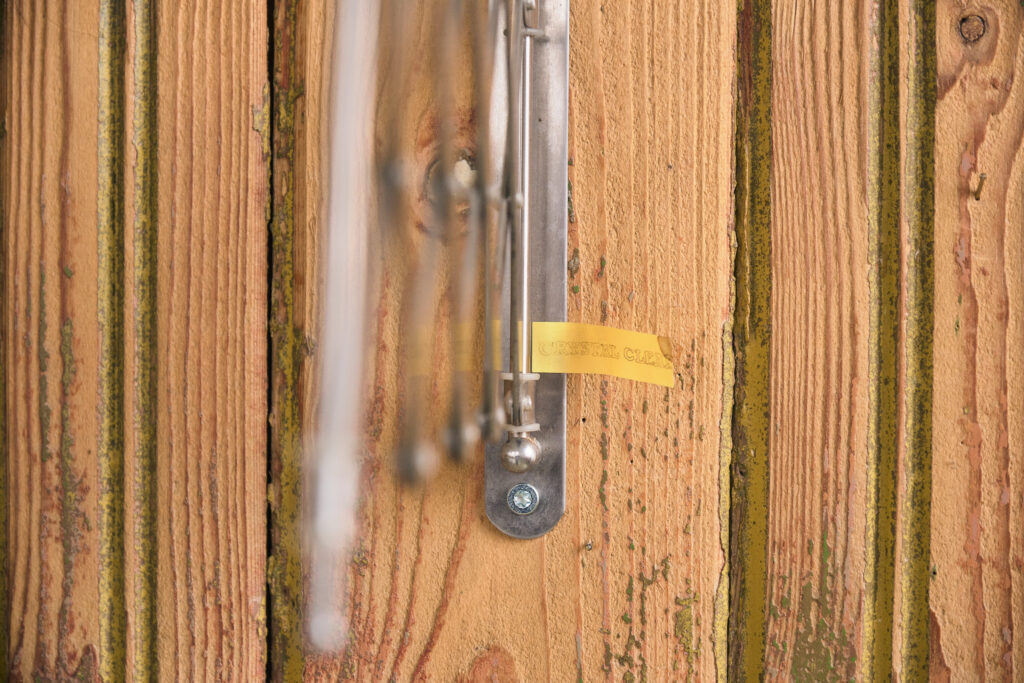
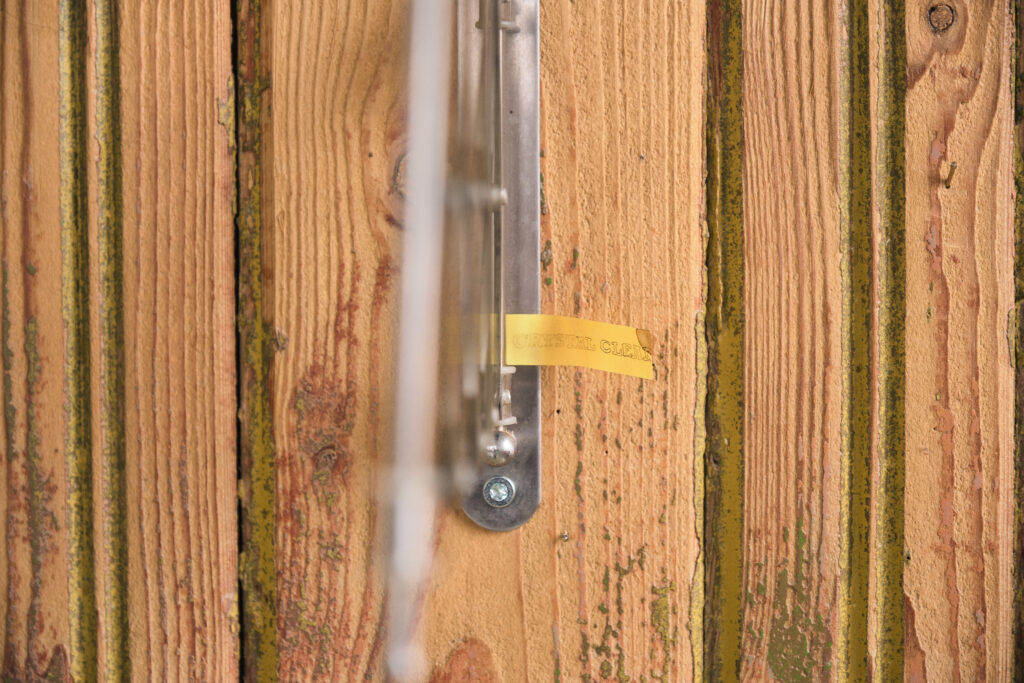
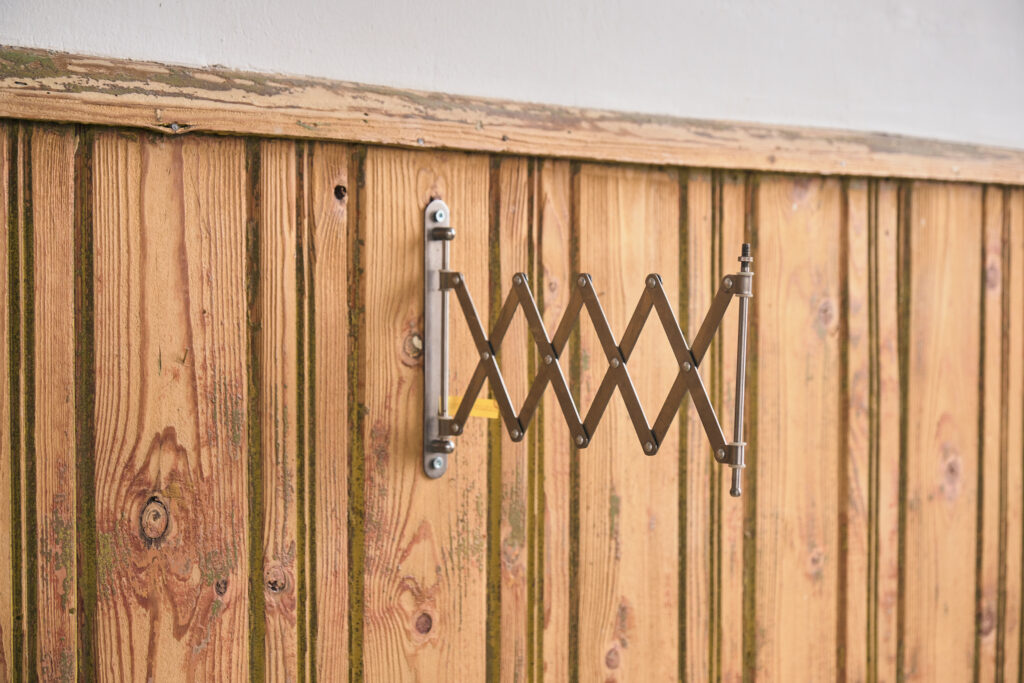
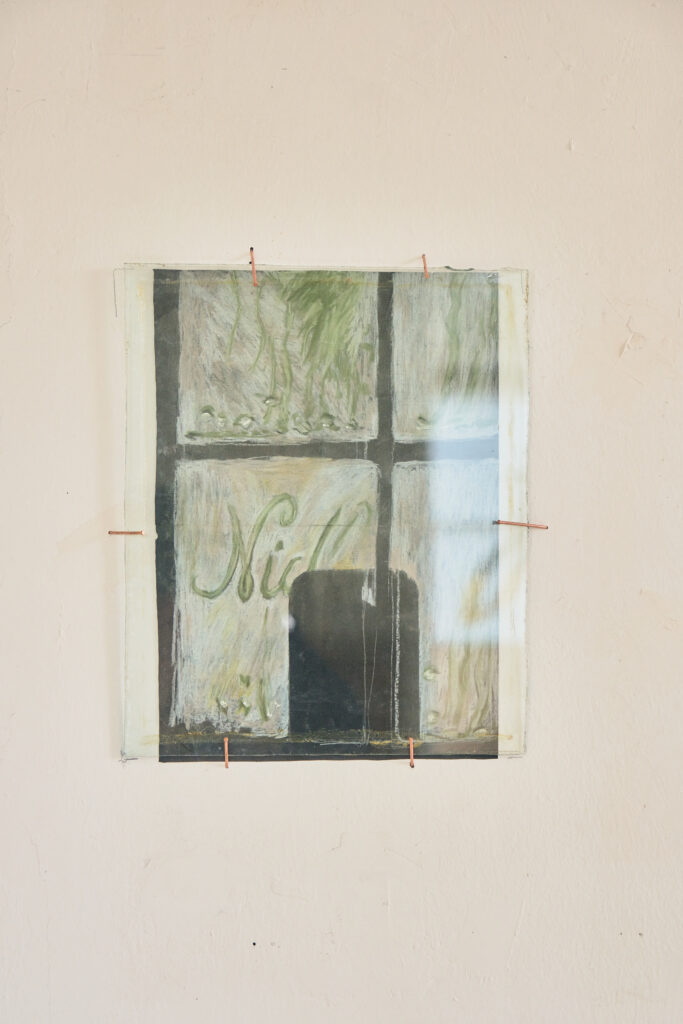
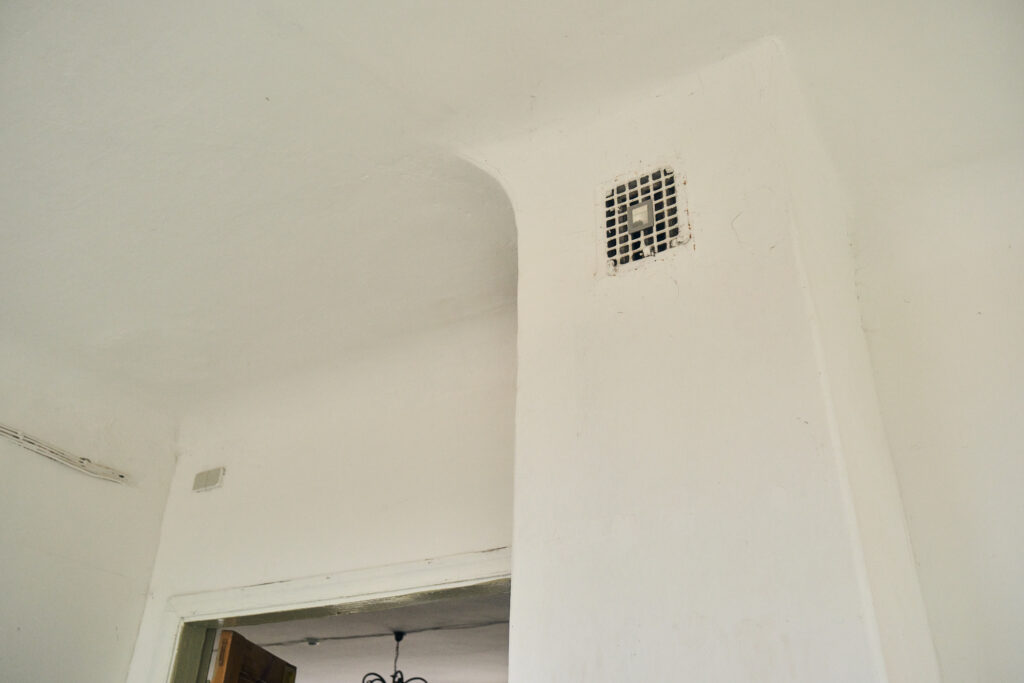
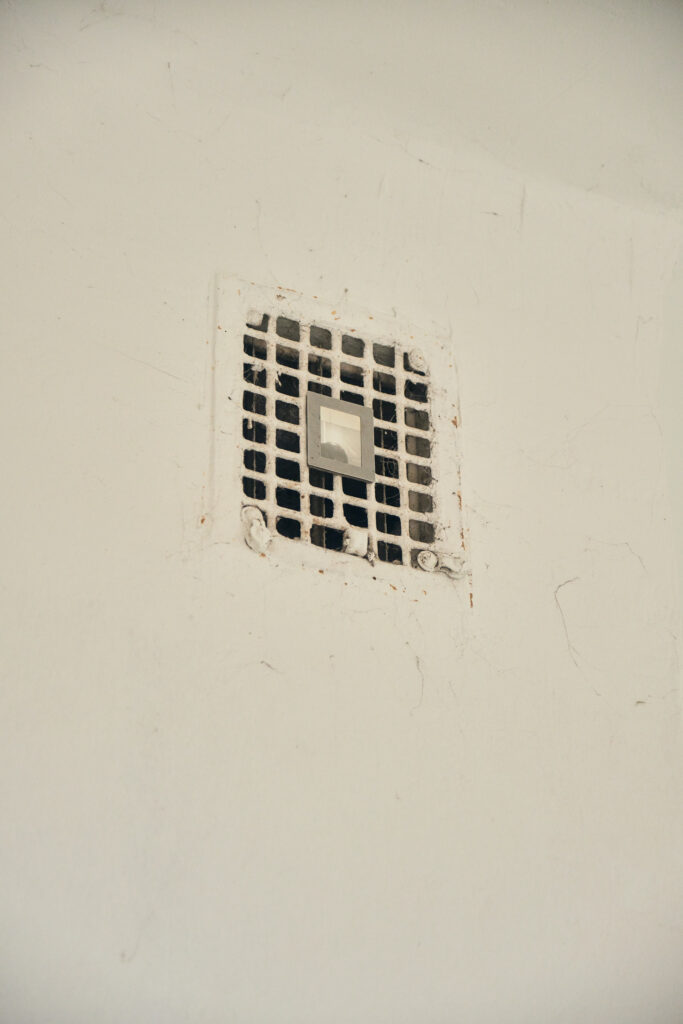
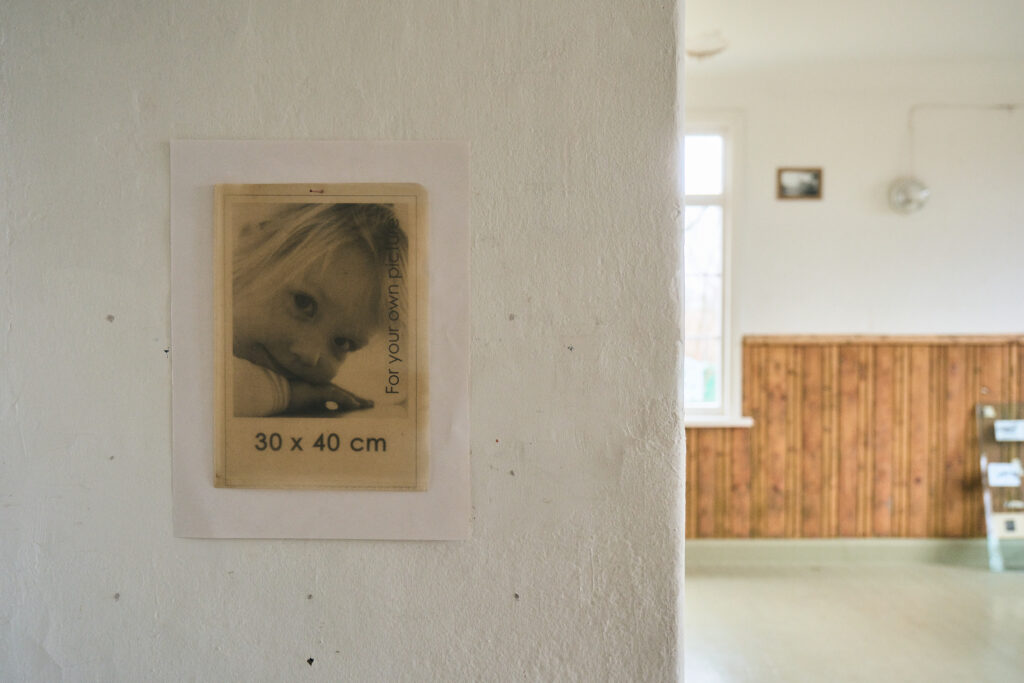
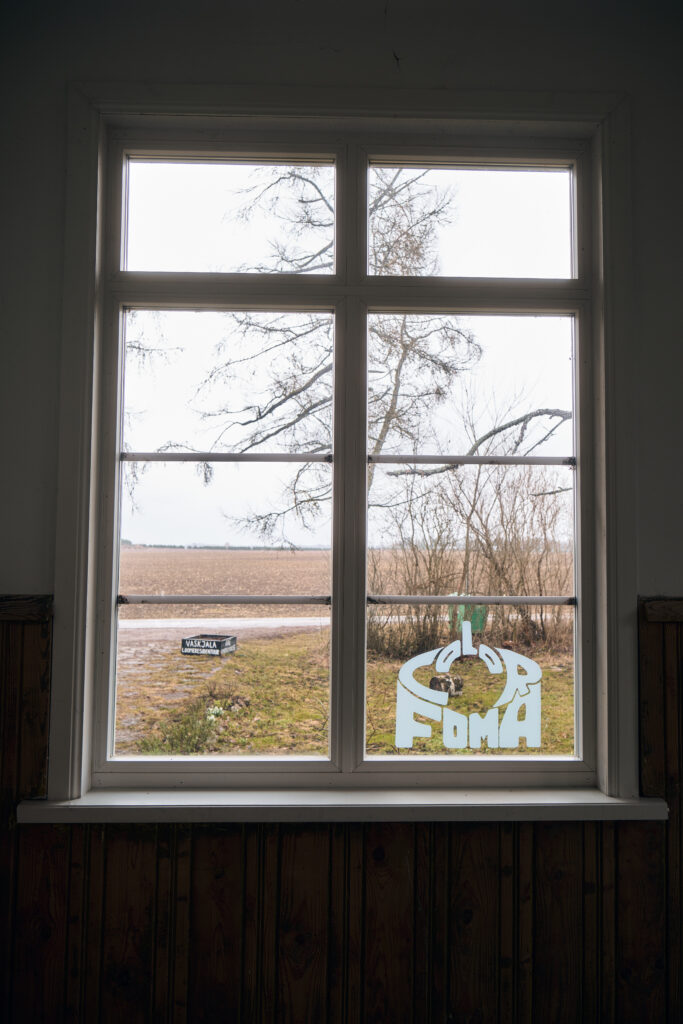
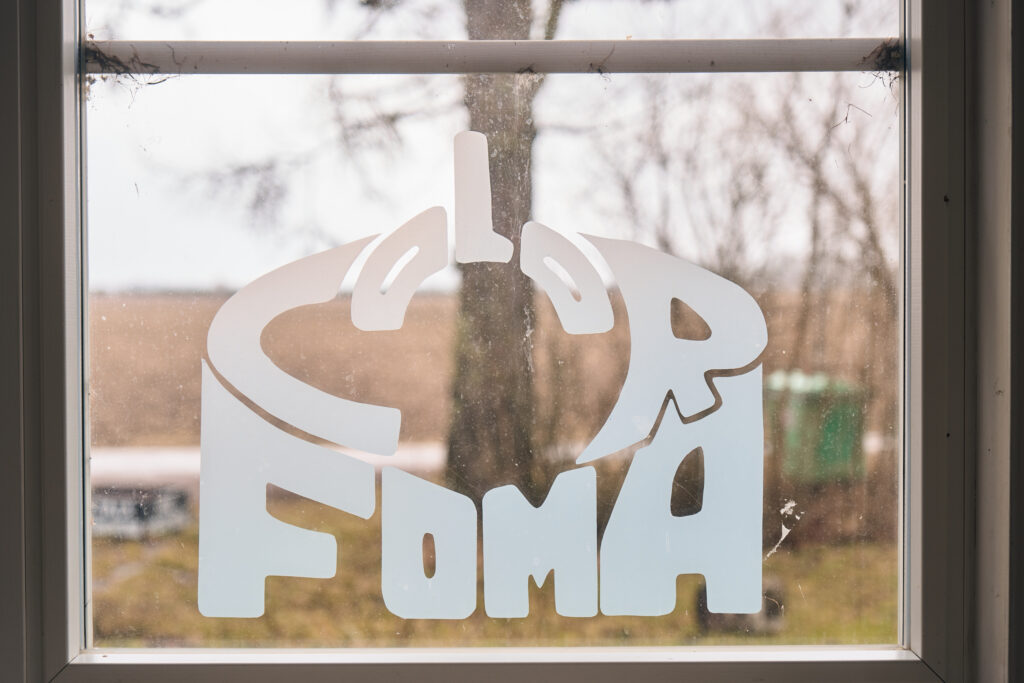
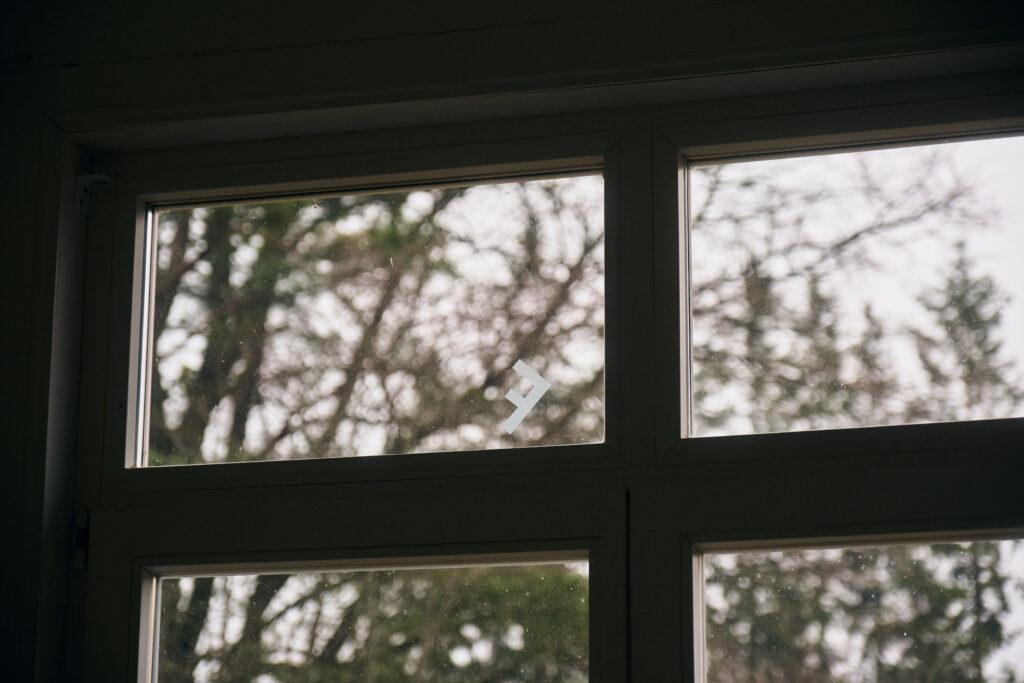
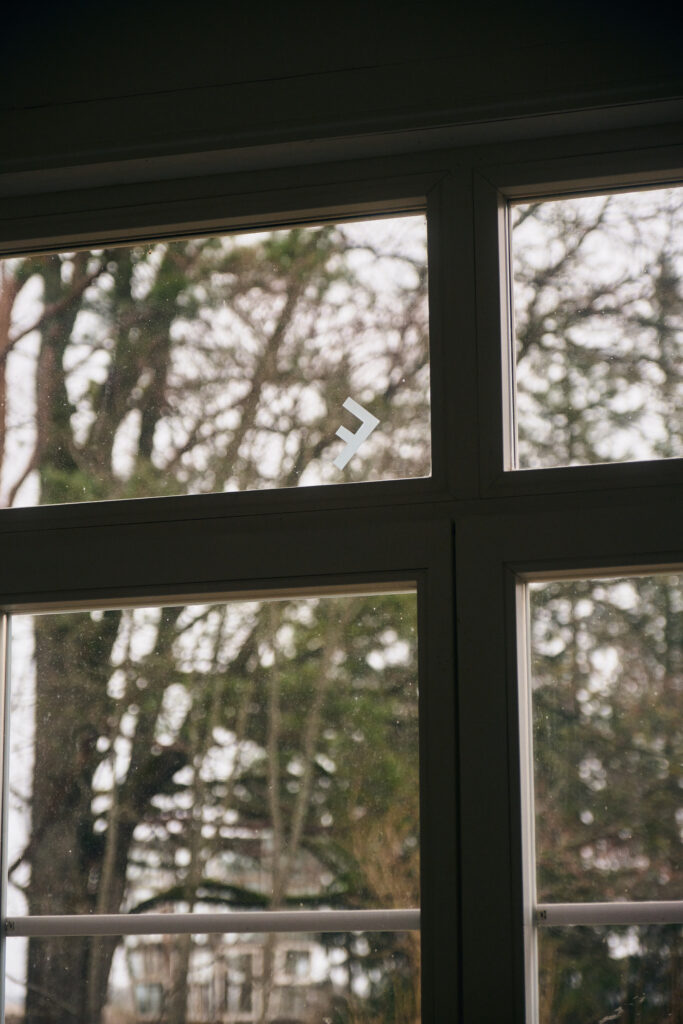
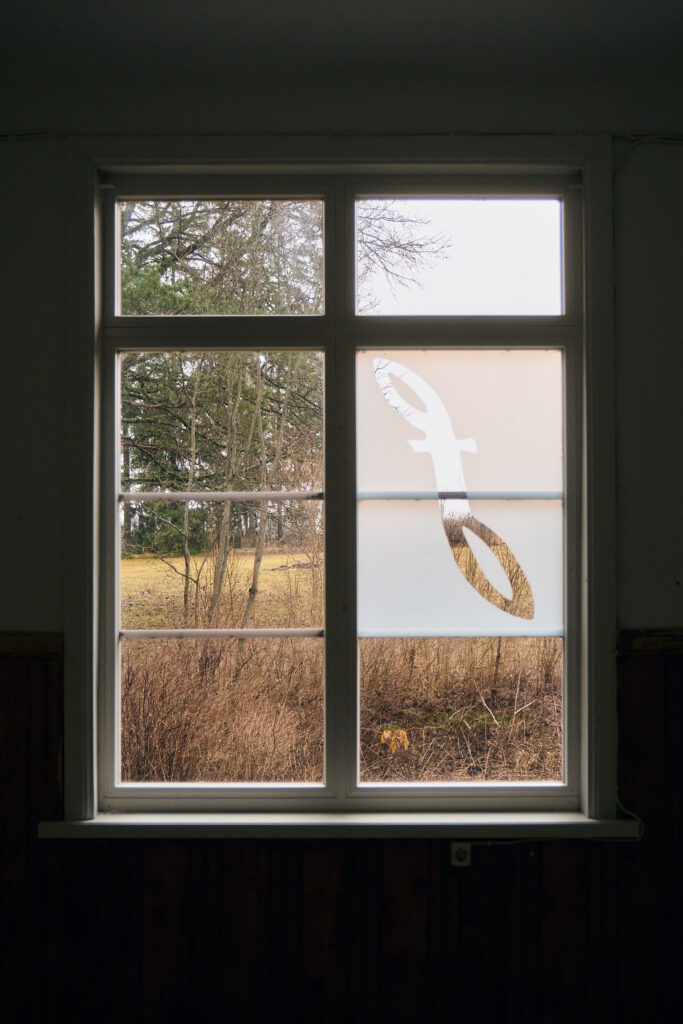
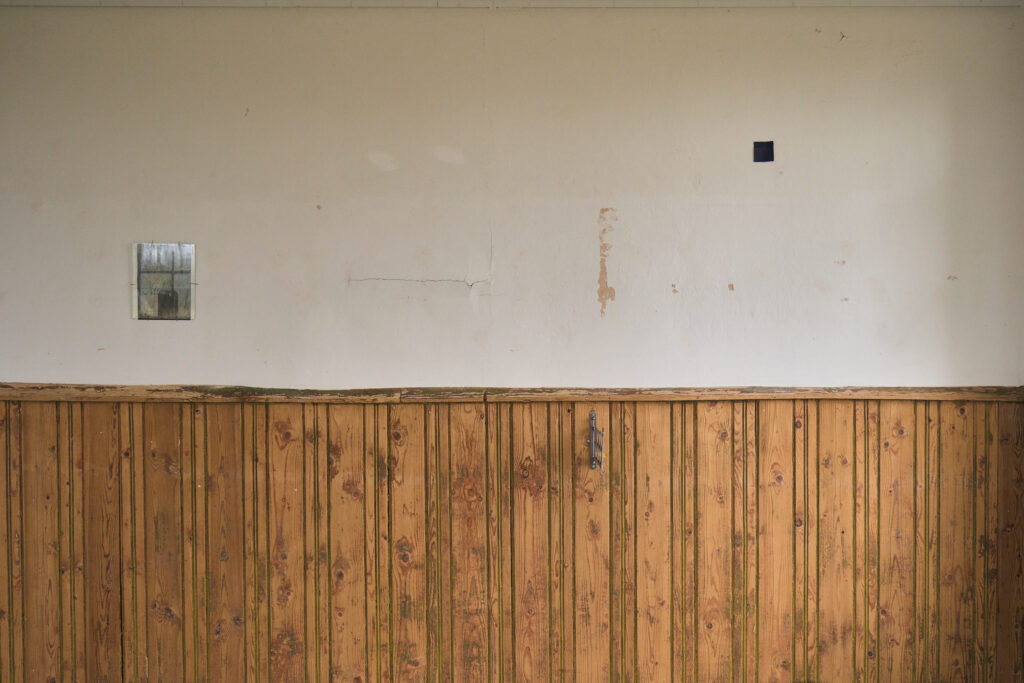
A mix of photographs, drawings, and some installation-based work that respondsdirectly to the space itself and the materials I’ve found and worked with since beinghere. It’s been a very research-driven time, and I hope the exhibition reflects that.
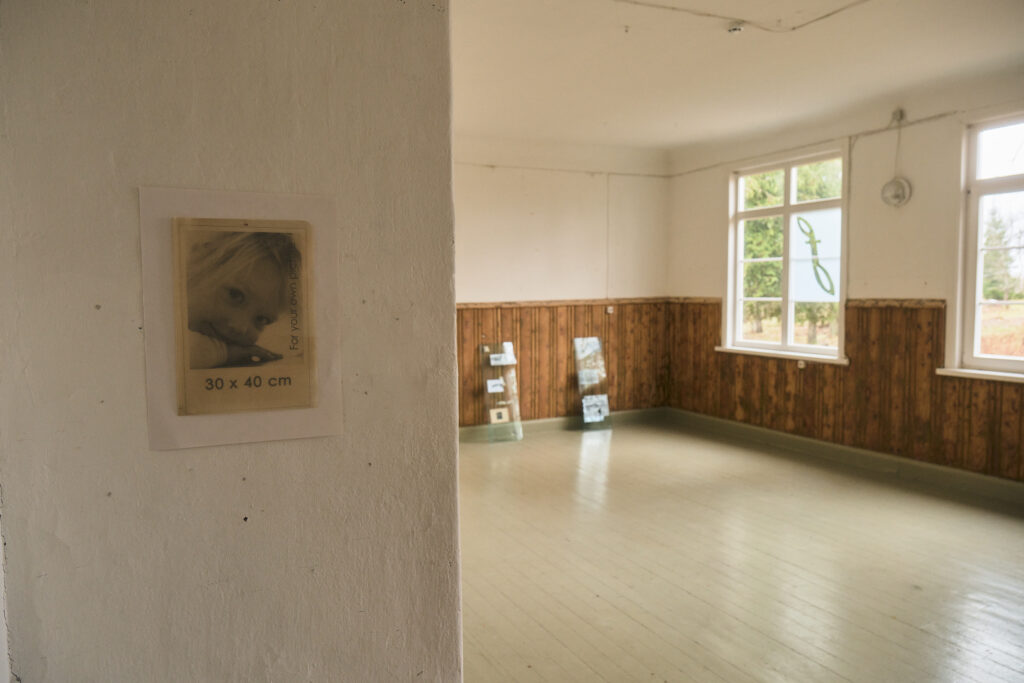
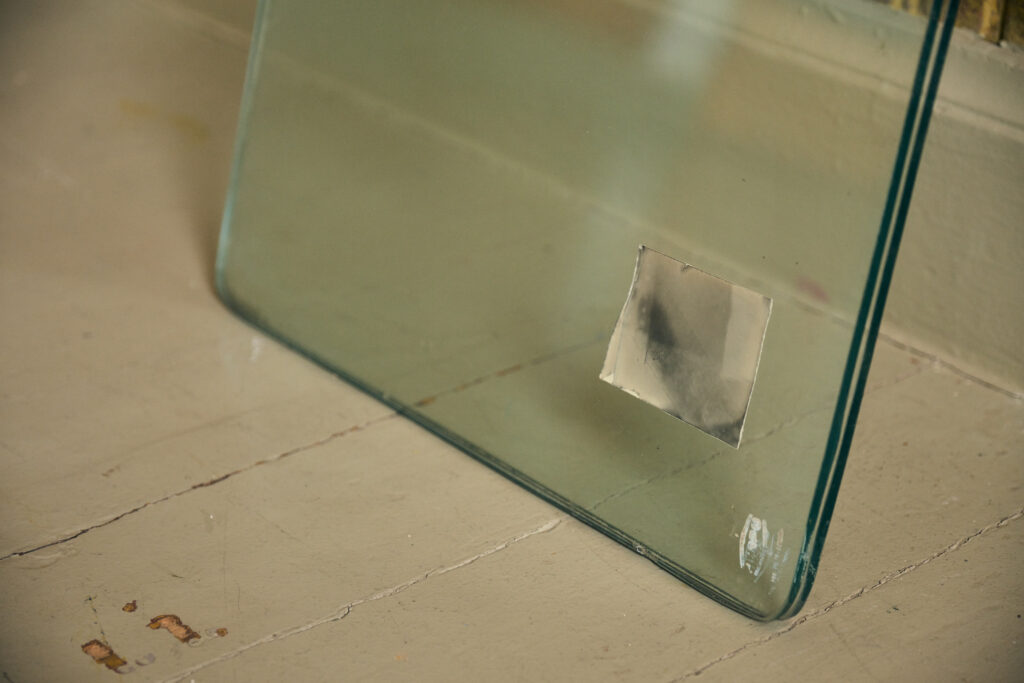
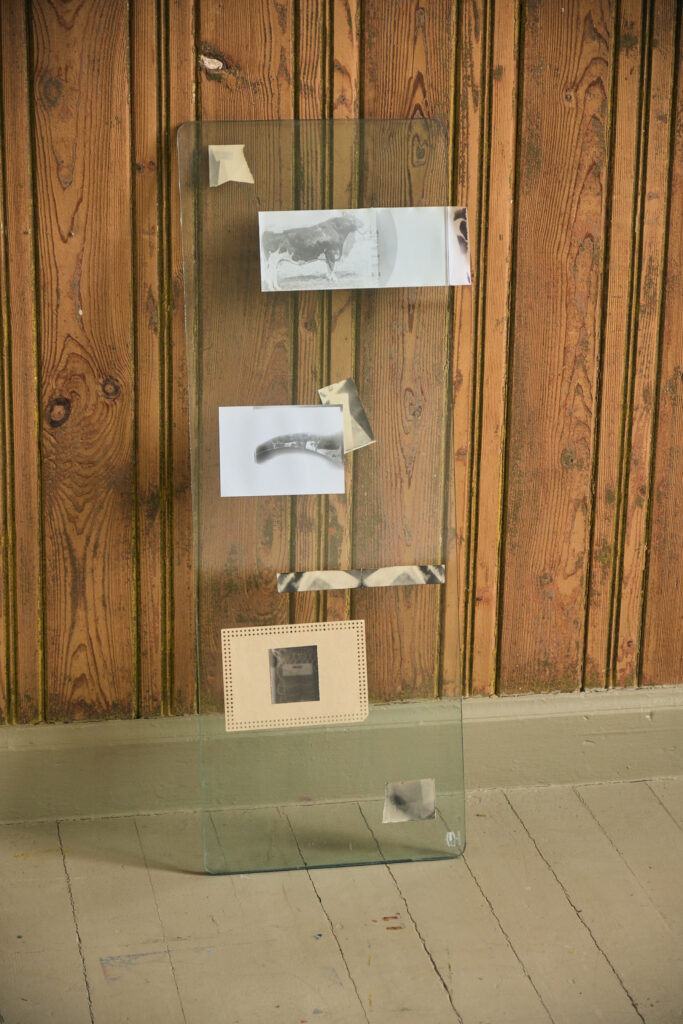
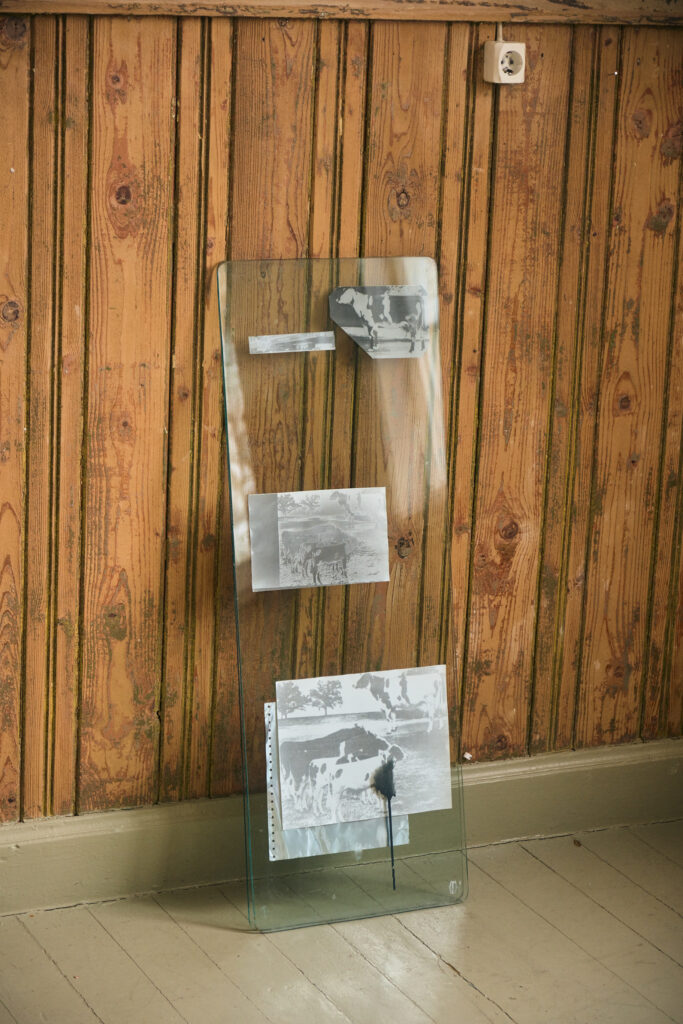
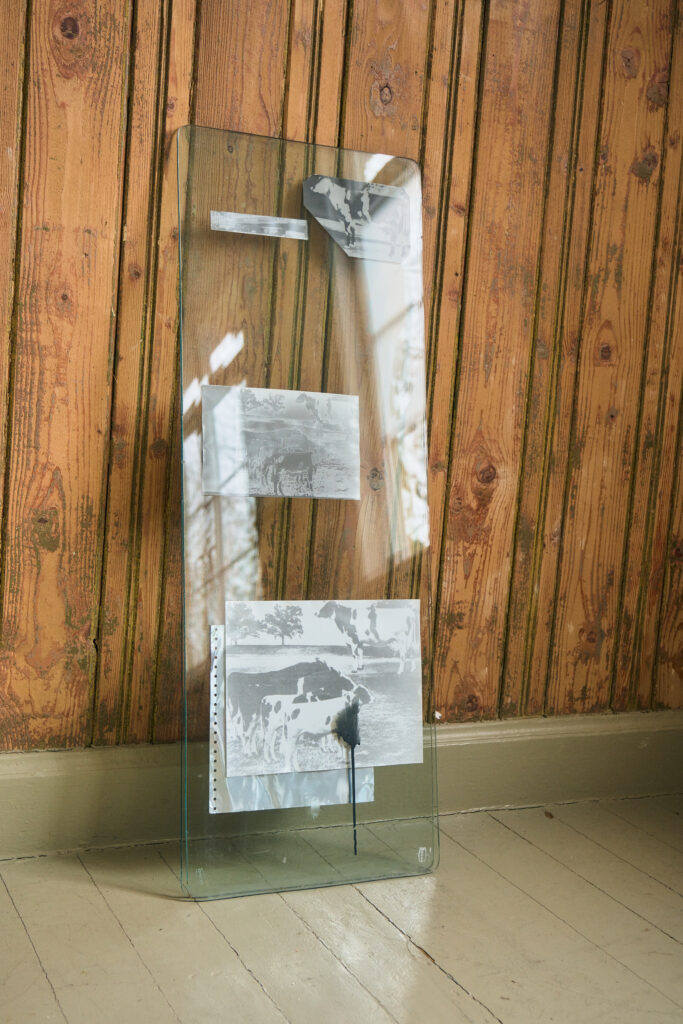
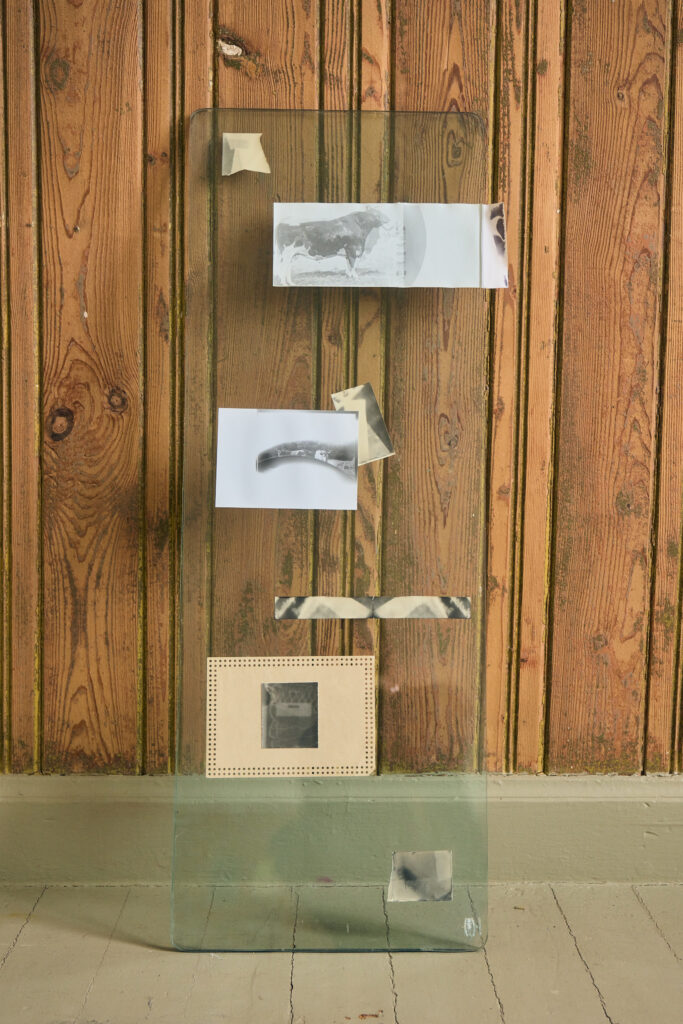
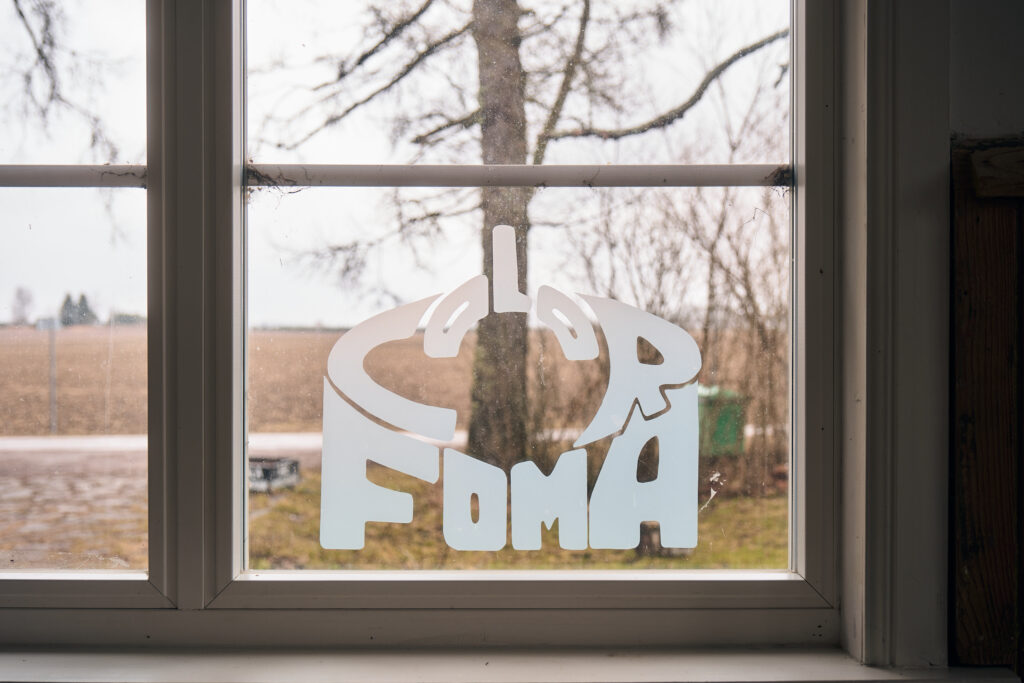
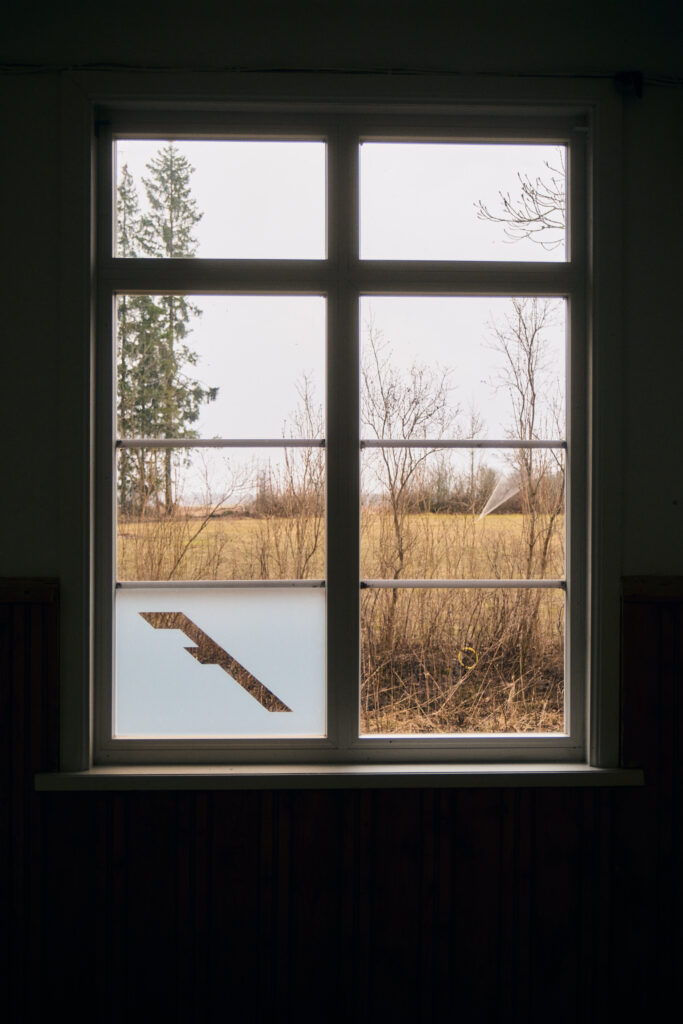
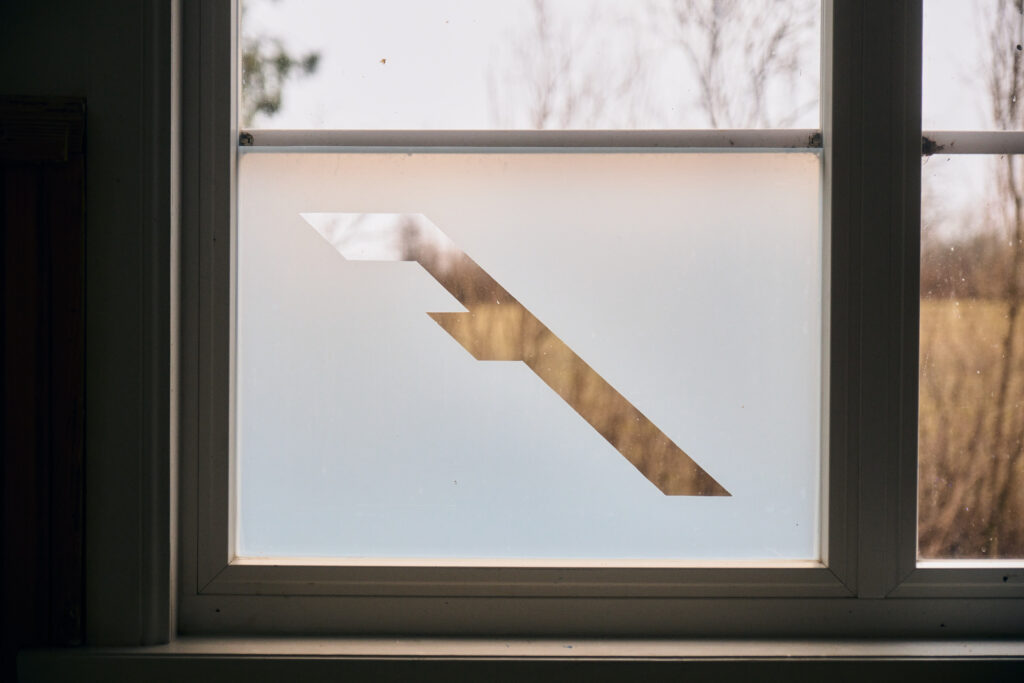
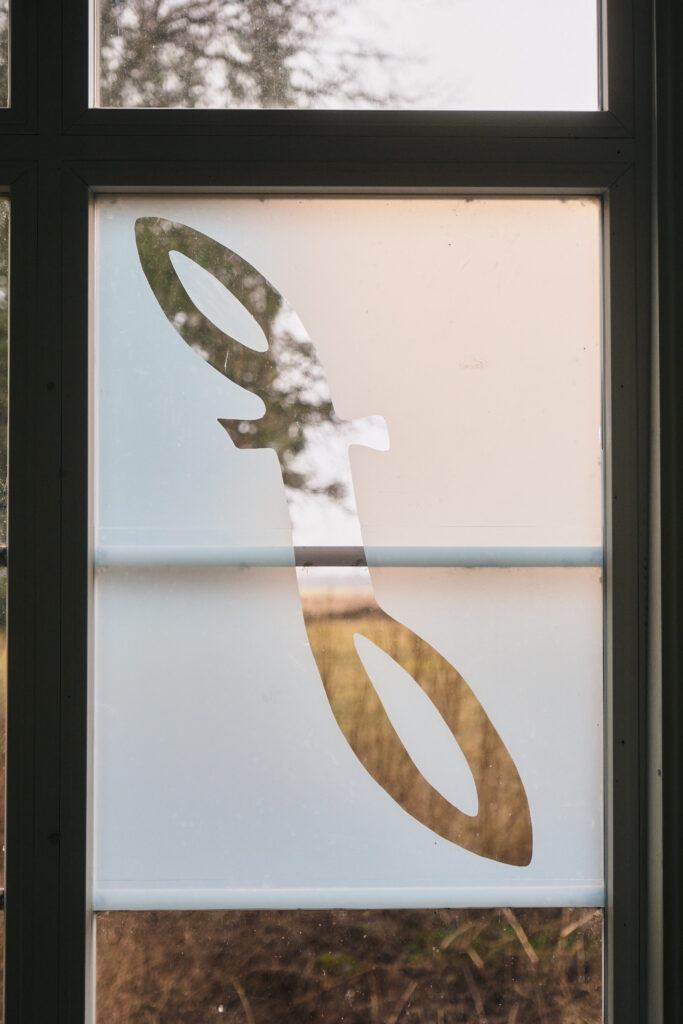
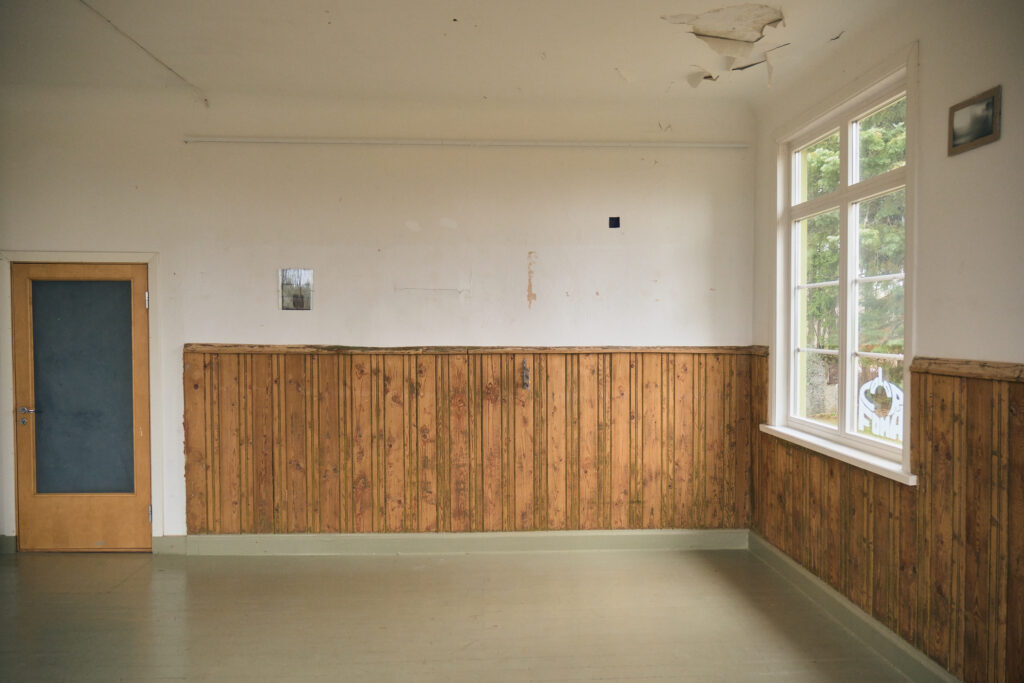
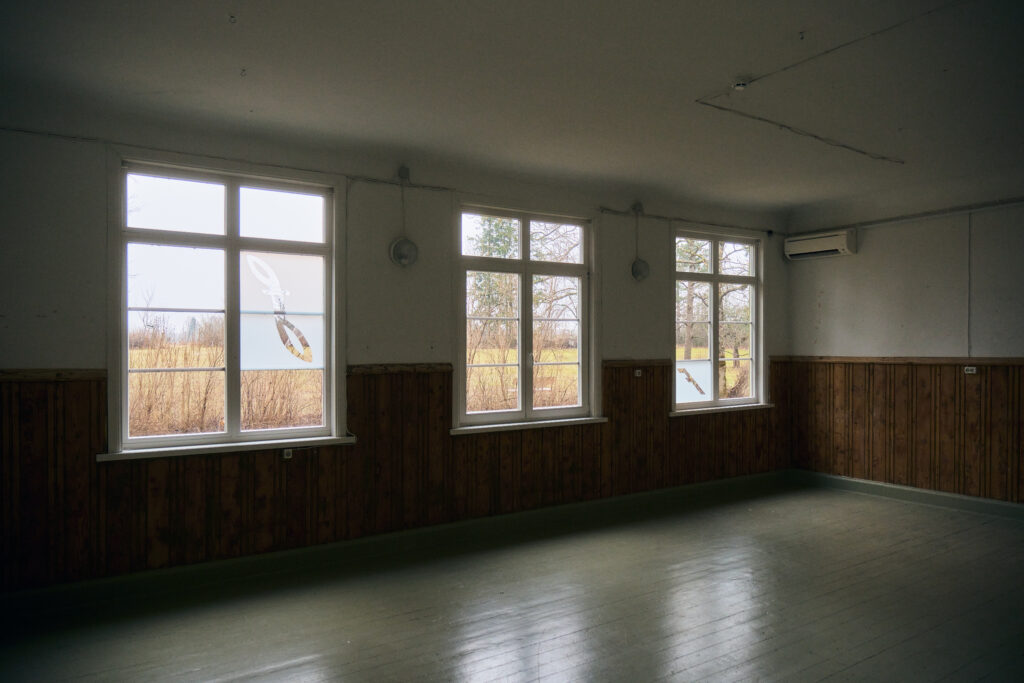
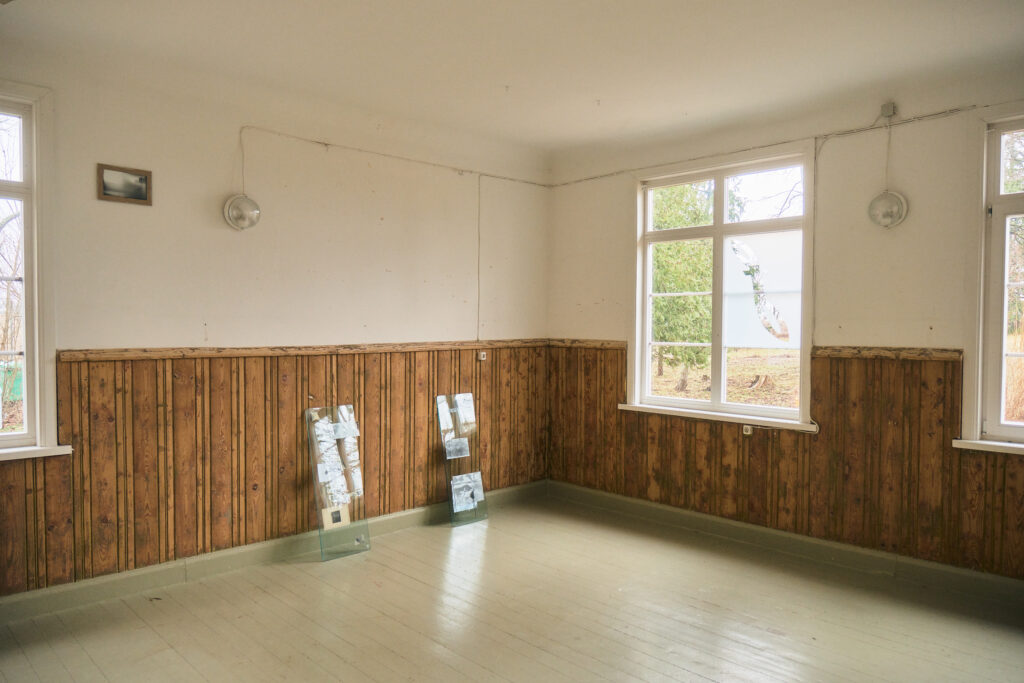
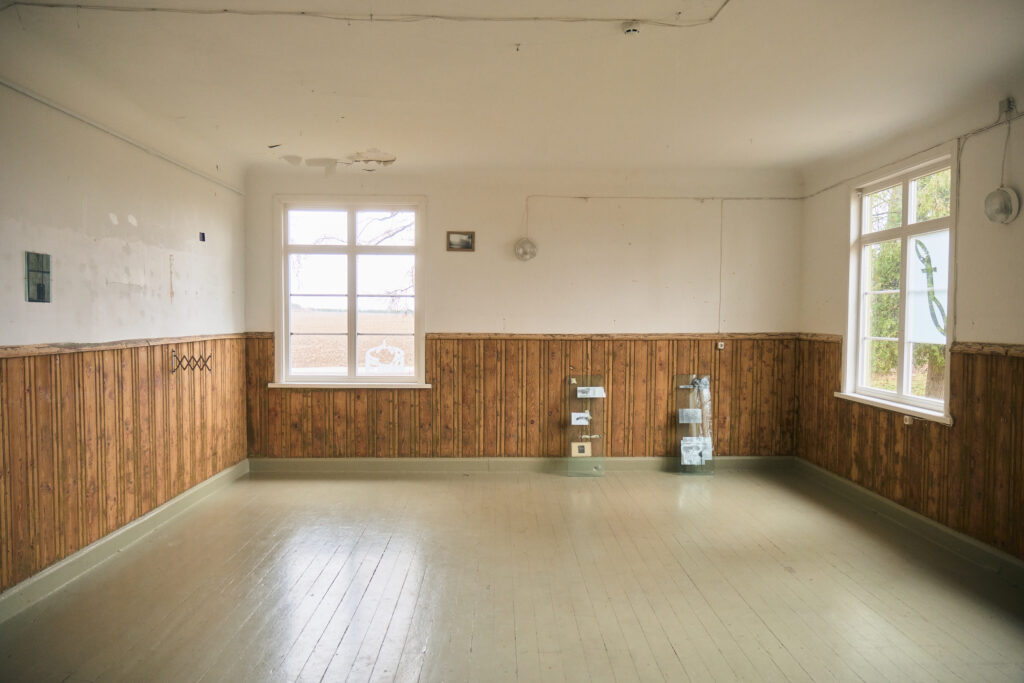
Exhibition photos by Ott Kattel