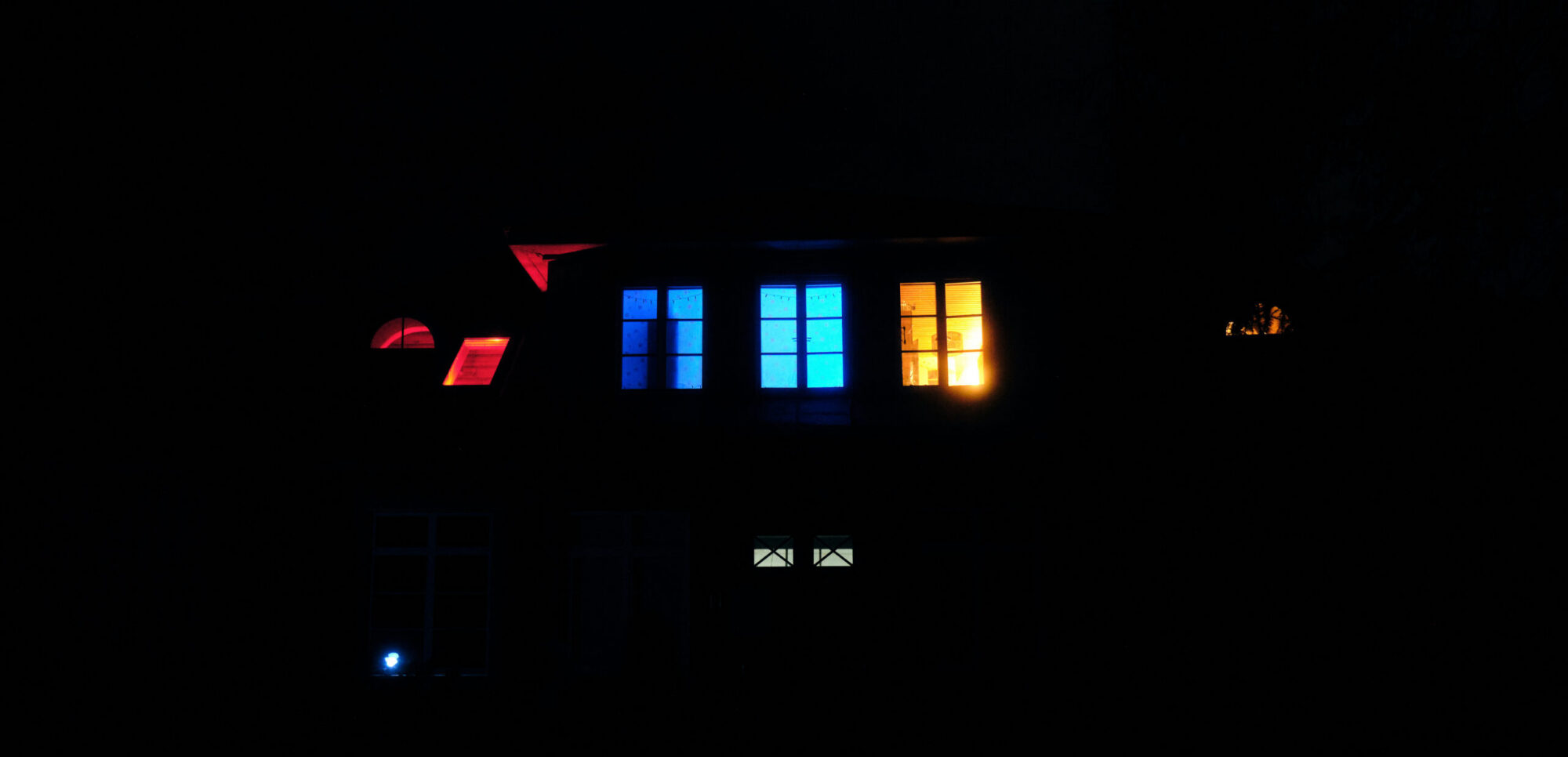


Junny Chun Au Yeung on Hong-Kongist pärit kunstnik, kes hetkel elab Inglismaal. Ta õppis 2020-2022 kaasaegset kunsti Eesti Kunstiakadeemias ning uuris oma lõputöös kodu tähendust ja tõrjutuse kogemust. Tema praktika liigub installatsiooni, fotograafia ja video vahel ning on toetunud navigatsioonisümbolitele, düsfunktsionaalsetele objektidele ja dokumentaalsetele meetoditele võõras ruumis orienteerumiseks.
Sa oled siin juba varem olnud. Mis tõi sind tagasi?
Tundub, et sellest on saanud traditsioon. Olen igal suvel siia tulnud. Isegi pärast õpingute lõpetamist, isegi pärast Suurbritanniasse elama asumist tõmbab miski mind siia tagasi. Süda kutsub siia tagasi.
Kuidas Sa Eesti üldse avastasid?
2019. aastal protestide ajal Hong-Kongis moodustasime inimkette. Hiljem sain teada, et see protestivorm pärineb Balti ketist. See liigutas mind sügavalt ja hakkasin Eesti vastu huvi tundma. Samal ajal tahtsin magistriõppesse minna välismaale ning sattusin EKA peale. Leidsin nende kaasaegse kunsti programmi ja see tundus mõistlik.
Sinu lõputöö käsitles kodu mõistet. Kuhu see otsing sind viis?
Minu EKA lõputöö uuris, mida tähendab kodu siis, kui oled lahkunud oma sünnikohast. Hong-Kongist lahkudes tahtsin mõista, kuhu ma kuulun ja kuidas leida ennast sealt, mis pole minu oma. Kuid pärast aastatepikkust otsimist tunnen, et vastust sellele pole. Otsing ise võib olla lõks. Viimasel ajal mõtlen palju filmile “Backrooms”, sellest kuidas olla lõksus ruumis, mida tegelikkuses ei eksisteeri, pidevalt liikuda ja otsida väljapääsu. Just nii on kodutunne minu jaoks hakanud tunduma.
Kuidas on sinu loominguline praktika sellest mõjutatud?
Varem töötasin sümbolite ja navigatsiooniga, düsfunktsionaalsete objektidega, püüdes leida suunda väljapoole. Nüüd tundub, et suund on pöördunud sissepoole. Selle residenuuriga tahan minna sügavamale enda hinge. Joonistan ning töötan fotoskulptuuriga ühest kivist: pildistan objekti mitmest nurgast ja moodustan neist piltidest kolmemõõtmelise kuju. Tulemus on aga moonutus, midagi mis viitab päris objektile olles sellest samas selgelt erinev. Võib-olla tuleb ka video, midagi kehaga tihedamalt seotut. Otsin veel õiget suunda.
Sa kirjeldasid oma keha kui läbikäiku. Mida sa sellega mõtlesid?
Nagu lennujaam või bussijaam. Kohad, kuhu inimesed saabuvad mingi eesmärgiga ja lahkuvad siis. Keegi ei jää püsima. Ja praegu tunnen end seestpoolt just nii, et kõik on liikumises, kõik läbib mind. Ehk on kodu seal, kus su süda on. Ehk peitub see teel olemisel endas. Kindlat vastust pole ja enam ma ei oota ka seda.
///////////////////////////////////////////////
Junny Chun Au Yeung is a Hong Kong-born artist currently based in the UK. He studied contemporary art at the Estonian Academy of Arts, graduating in 2022 with a body of work exploring the meaning of home and the experience of displacement. His practice moves between installation, photography, and video, and has drawn on navigation symbols, dysfunctional objects, and documentary methods as ways of orienting himself within unfamiliar spaces.
You’ve been here before. What brought you back?
It feels like a tradition now. Coming here every summer. Even after finishing my studies, even after settling in the UK, something keeps pulling me back. My heart keeps lingering here.
How did you find Estonia in the first place?
It started in Hong Kong, in 2019, during the protests. We formed a human chain, people hand in hand, a peaceful way of standing together. Later I found out that this form of protest came from the Baltic countries, from the Baltic Way. I found it deeply moving and started looking into Estonia. Around the same time, I was thinking about a master’s degree somewhere abroad, and I came across EKA. They were promoting their contemporary art program, and it made sense. So I came.
Your graduation work was about home. Where did that search lead you?
I studied contemporary art at EKA from 2020 to 2022, and my graduation work tried to ask what home means when you left the place where you were born. Being in a foreign country, moving out of Hong Kong, I wanted to understand where I belong and how to find myself somewhere that isn’t mine. But after years of searching, I’ve started to feel that there is no answer. That search itself might be the trap. I’ve been thinking about the film Backrooms lately, about being caught in a space that doesn’t exist in reality, constantly running and looking without exit. That is what the search for home has started to feel like to me.
How has your practice shifted in response to that?
Before, I was working with symbols and navigation, with dysfunctional objects, trying to find direction outward. Now I feel the direction has turned inward. This residency I want to go deeper into inner space, inner soul. I’m making drawings, and I’m working on a photographic sculpture of a rock: taking many photographs around the object, almost like photogrammetry, and then printing and assembling them into a three-dimensional form. But the result will be distorted, not realistic, something that refers to the real object while being clearly different from it. There may also be a video piece, something more connected to the body. I’m still looking for directions.
You described your body as a transitional space. What do you mean by that?
Like an airport or a bus station. Places where people arrive with a purpose and then leave. Nobody stays. And right now that is how I feel inside, everything is in transit, passing through. Maybe home is wherever your heart is. Maybe it’s within the journey itself. There is no fixed answer, and I’ve stopped expecting one.


